October 20, 2026

Between heritage and the economic crisis: The Lebanese “mortar” is struggling with high prices as winter approaches
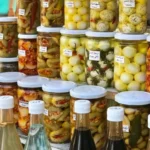
With the onset of winter, Lebanese families are preparing, as is their annual custom, to stock up on the earth’s bounty, including traditional “mouneh” such as makdous, kishk, and thyme. An inherited heirloom that embodies the warmth of the family and the abundance of the home. However, today this ancient custom collides with an extremely difficult living reality, affected by the sharp rise in prices and the decline in purchasing power due to successive economic and security crises.
On the “Lebanon 24” website, Ms. Noura Mustafa, owner of the “Mouth of the South” page, confirms that the demand for buying mortar is still ongoing, but is witnessing a noticeable decline in the size of the required quantities. She explained that the consumer is now satisfied with buying one or two jars of makdous instead of four or five, and buying a kilogram or two from the kiosk instead of the previous large quantities, which is a scene that applies to various other types.
The impact was not limited to the volume of purchases, but also extended to the cost of production and final prices. The prices of raw materials for Makdous mortar increased – such as eggplant, peppers, walnuts, oil, and jars – in addition to the doubling of transportation, fuel, and labor costs. Mustafa indicated that these additional burdens, especially the difficulty of preparation in some areas of the south, forced her to transfer part of her work to Baalbek and the Bekaa.
Makdous prices this season range between $8 and $12 per kilogram, depending on the quality of the product and the quantity of nuts used in the filling. The regular variety is sold for eight dollars, the average variety is sold for ten dollars, while the price of the premium variety reaches $12 due to its high production costs.
Despite their limited means, Lebanese families with medium and limited incomes insist on preserving the diversity of their tables, preferring to buy small quantities of multiple items rather than dispensing with them completely. Topping the list of orders are items such as makdous, zaatar, kashk, and tahwija kibbeh, with regions distinguished by specific products. The south is famous for its kibbeh tahouija, thyme and flowers, while Baalbek and the Bekaa stand out for the manufacture of makdous, kishk and jams.
The importance of mortar goes beyond the nutritional dimension to become a symbol of safety and emergency preparedness. The availability of items such as thyme, sumac, bulgur, freekeh, and isolated labneh gives families a feeling of self-sufficiency and the ability to manage their living affairs for several days in light of any financial hardship or difficulty in shopping.
In the context of preserving this ancient food heritage and passing it on to future generations, Mustafa stresses the importance of organizing training courses to teach young people the basics of preparing mouneh and encourage them to continue and spread it inside and outside Lebanon.
Despite the harsh prices and the decline in financial capabilities, winter mortar proves to be more than just seasonal supplies. It is a living witness to the identity and memory of the Lebanese home. Quantities shrink and accounts change to suit crises, but it remains difficult to erase in the conscience of Lebanese families.