October 7, 2026

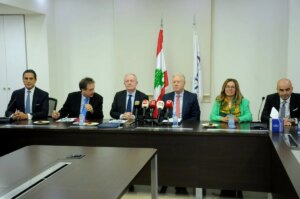
In its recent meetings, the Parliamentary Finance and Budget Committee approved a series of prominent legislative and development decisions that included amending anti-money laundering laws and enhancing Lebanon’s contribution to international financial institutions, at a time when it kept the “Financial Gap Law” file on hold pending the completion of official negotiations.
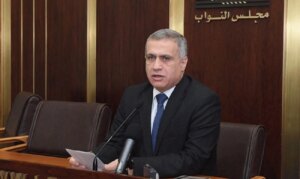
In detail, the Chairman of the Committee, Representative Ibrahim Kanaan, announced after the meeting the approval of amending the law on combating money laundering and terrorist financing while approving greater stringency in the nature of crimes, indicating that the Committee is awaiting a memorandum from the Minister of Justice to complete the file. Kanaan explained, in a statement on the “X” platform, that this step contributes to improving Lebanon’s position on the “gray list” of the Financial Action Task Force (FATF), and comes in response to its requirements aimed at addressing deficiencies in the financial systems.
On the development level, the committee agreed to increase Lebanon’s contribution to the European Development Bank, considering that the step supports opportunities to benefit from development projects. It also approved a loan worth $13.5 million provided by the Islamic Development Bank to complete the Barqasha-Bsharri road project and support local development. In the same context, the members of the committee requested to hold a special session with the Council for Development and Reconstruction to review an integrated vision of the development projects distributed across the various Lebanese regions.
On the other hand, the committee postponed a decision on the most sensitive financial file related to the “Financial Gap Law,” stressing that it is still awaiting the required amendments and accurate determination of numbers through the ongoing negotiations between the government, the Bank of Lebanon, and the International Monetary Fund, before embarking on any detailed parliamentary discussion regarding it.
It is noteworthy that the law to address the financial gap is considered a fundamental pillar in the process of restructuring the banking sector and distributing the accumulated losses since the outbreak of the economic crisis, amid the International Monetary Fund’s insistence on establishing a clear legal framework that paves the way for a comprehensive support program for Lebanon.