October 4, 2026

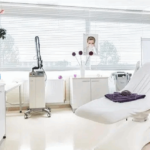
In light of the severe economic collapse in Lebanon and the decline in purchasing power for the majority of families, cosmetic clinics continue to operate at a high pace, attracting clients willing to pay hundreds or thousands of dollars. Despite the crises, the decline of economic sectors, and the migration of thousands of doctors, the scene raises questions about Lebanon’s ability to maintain its position as one of the regional centers of cosmetic medicine, and how to reshape the sector due to the crisis in terms of prices, services, and customer segments.
A recent study published in 2026, which analyzed 4,706 operations performed at a university hospital in Beirut between the periods (2000-2004) and (2020-2024), revealed remarkable shifts in the nature of demand. The percentage of rhinoplasty operations decreased from 82.8% to 38.5% of the total procedures, in favor of an increase in the share of liposuction, tummy tuck operations, and eyelid and ear beautification. The composition of customers has also witnessed a significant change with men’s increasing demand for body sculpting, as their percentage of liposuction surgeries increased from 2.6% to 24.2%.
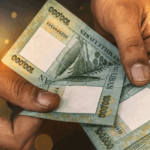
The cosmetics market in Lebanon is closely linked to the dollar, given that it is a discretionary sector whose costs, imported equipment, and the wages of doctors and hospitals depend on the green currency. Although the purchasing power of citizens was affected, the continued demand from those with income in dollars, Lebanese expatriates, and some Arab and foreign visitors contributed to the redistribution of demand between different segments and various procedures, and did not lead to the extinction of the market.
Prices vary in the Lebanese market depending on the doctor, region, hospital, and techniques used. According to a report published in January 2025, the prices of Botox ranged between $150 and $600, and fillers ranged between $180 and $800 per injection. In surgical services, the cost of rhinoplasty is about $2,300, liposuction is between $1,000 and $5,000, while the price of a tummy tuck is about $5,500, which are approximate numbers that vary depending on the cases.
Plastic and reconstructive surgery specialist, Dr. Roland Tohme, confirmed in an interview with “Lebanon 24″ that the demand is still stable, estimating the percentage of Lebanese who are able to spend in this market at about 5 to 10%. Tohme links the increasing demand for liposuction and body sculpting to the spread of weight loss needles that cause sagging that requires surgical intervention. He pointed out that a portion of customers are moving towards “soft cosmetics” away from exaggeration. Pointing out, on the other hand, the presence of cheap smuggled products used in unlicensed centres, which explains the wide disparity in prices.
Regarding the participation of men, which he estimates at about 10%, Tohme explains that it is concentrated in body procedures such as liposuction and not in cosmetic injections. With the spread of marketing through social media, Tohme advises those wishing to undergo cosmetic surgery to ensure that the doctor is registered with the Lebanese Society for Plastic and Reconstructive Surgery.
Lebanon maintains its presence on the map of cosmetic medicine based on its long experience, the diversity of its specializations, and modern techniques, despite the sector being affected by the imposition of financial capacity and the dollar as two basic elements in the equation. Thus, the economic collapse did not cancel the Lebanese beauty market, but rather reshaped it to change its audience, services, and priorities according to the new reality of individual spending.