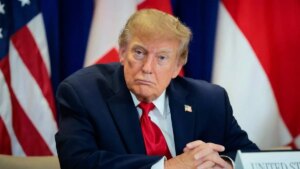
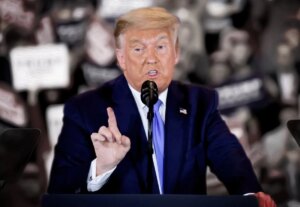
The administration of US President Donald Trump is beginning to cancel the entry visas of 27 officials and former officials from Latin America, along with members of their families, including the Attorney General of Bolivia, against the backdrop of corruption charges.
The decision includes officials and their relatives from Bolivia, Colombia, Ecuador, and Peru, countries whose governments are linked to right-leaning presidents who have friendly relations with the American administration. This step comes in the wake of a tour conducted by US Secretary of State Marco Rubio last September that included Colombia, Ecuador, and Peru, during which he pledged to provide American support for the efforts of those countries to combat drug and human trafficking, at a time when the leaders of these countries expressed their complaints that a number of those included in the decision to cancel visas were obstructing their countries’ efforts to combat crime.
On Monday, the US State Department officially announced the cancellation of visas, stating that the decision comes “to fulfill pledges to defend democratic rule throughout the Western Hemisphere in the face of corruption and drug trafficking.” The ministry stressed in its statement that “undermining a democratically elected government represents a threat to security and the rule of law in the Americas, and will not be tolerated.”
The Trump administration includes this step as part of broader efforts to combat corruption, especially related to the drug trade and illegal immigration, by members of the “Shield of the Americas” bloc, which was established under Trump’s direction this year in the Western Hemisphere.
It is noteworthy that the US State Department has previously used travel restrictions as a tool to pressure governments or limit immigration, starting with imposing an entry ban on South African officials accused of discrimination against whites, to refusing to issue visas to the Palestinian delegation to attend the annual meeting of world leaders at the United Nations.