The US administration revealed new details about the reasons for President Donald Trump’s rejection of the Iranian proposal to reopen the Strait of Hormuz, highlighting the preconditions set by Tehran that Washington considered a major obstacle to any settlement, at a time when diplomatic efforts continue through mediators.
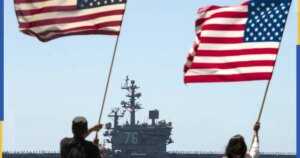
In this context, the US Ambassador to the United Nations, Mike Waltz, explained in an interview with CNN on Sunday that Washington’s rejection of the proposal is due to Tehran’s demand to lift sanctions and release frozen assets worth billions of dollars. Waltz pointed out that the Iranian side “was asking for everything in advance” and required that its demands be met before any negotiations could begin, adding that President Trump was not convinced that Tehran would seriously negotiate ending its nuclear program. He stressed that the US naval blockade represents an effective economic pressure tool to reduce Iran’s revenues from energy exports.
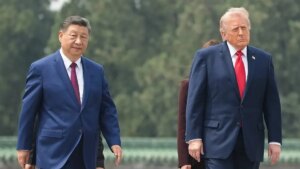
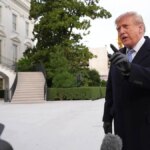
For his part, US President Donald Trump announced on Saturday his rejection of the Iranian proposal while expressing his desire to reach an agreement, estimating that Tehran is seeking to quickly reopen the Strait of Hormuz as a result of the huge economic losses it is incurring. Trump indicated his expectations of holding more talks with Iran during the week, pointing out that there is a gap between the nature of the agreement sought by Tehran and that demanded by Washington, while his country reserves the right to resume military strikes.
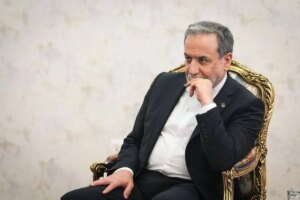
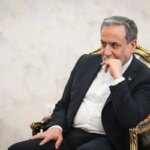
Iran had presented its initiative through Qatari mediators on the sidelines of the United Nations General Assembly meetings in New York. Iranian Foreign Minister Abbas Araqchi explained that accepting the initiative would trigger a seven-day countdown to reopen the Strait of Hormuz and stop regional combat operations, including Lebanon. According to a Reuters report, the proposal stipulates reopening the Strait in exchange for easing military pressure, lifting the blockade on Iranian ports, releasing frozen funds, and lifting sanctions imposed on the oil sector, to be followed by broader talks on common issues.
In the Iranian internal context, President Masoud Pezeshkian confirmed that the proposal was prepared in coordination with Supreme Leader Mojtaba Khamenei, expressing Tehran’s readiness to implement it if the United States adheres to it. Regarding the nuclear file, which constitutes the core of the dispute, Washington stresses its categorical rejection of Iran possessing a nuclear weapon, while a senior Iranian official confirmed, in statements reported by Reuters, his country’s refusal to abandon uranium enrichment or transfer its highly enriched stock abroad.
Although the current offer has faltered, communication channels remain open. The Qatari mediators continue their efforts to bring points of view closer together and consider introducing amendments to the proposal. Iranian Foreign Minister Abbas Araqchi confirmed his country’s adherence to the diplomatic solution and was waiting for an official American response to be conveyed through mediators.