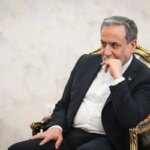
Iranian Foreign Minister Abbas Araqchi sent a double message to the US administration, ranging from preparing for a comprehensive military confrontation to adhering to the diplomatic track, stressing Tehran’s readiness to engage in a new conflict that might reach the point of a “Doomsday War,” in the event it is exposed to any aggression.
In an interview conducted with him by NBC News on the “Meet the Press” program on Sunday, and commenting on what was published by the Wall Street Journal regarding the possibility of US President Donald Trump resorting to resuming bombing after the midterm elections, Araqchi stressed that his country is fully prepared and steadfast to confront any escalation, adding: “At the same time, we are ready for diplomacy, and it is up to President Trump to choose.”
In the diplomatic context, Araqchi revealed an Iranian offer submitted this week to the United States through the Qatari mediator on the sidelines of the United Nations General Assembly meetings in New York, which includes an agreement to reopen the Strait of Hormuz and resume normal navigation within seven days, noting that Tehran has not yet received official notification through mediation channels of rejecting this proposal, despite Trump announcing his rejection of it on the grounds that Washington “has achieved a major victory and is in full control of the strait.”
The Iranian minister renewed his country’s conditions for ending the conflict and opening the Strait, which include releasing frozen funds and assets and allowing his country to sell its oil. He explained that these conditions are “not new,” and Washington had previously committed to them in the memorandum of understanding that the two sides signed last June, before the temporary ceasefire agreement collapsed following the exchange of new strikes.
Araqchi concluded by stressing that Tehran is still betting on a peaceful solution despite the absence of encouraging motives, saying: “If you ask us, there is no reason for us to return to diplomacy, but I am still trying because I believe that we should not miss any opportunity for peace.” Regarding the internal political influences in Washington, he stressed that his country “does not care about the American midterm elections, but rather focuses exclusively on its national interests.”