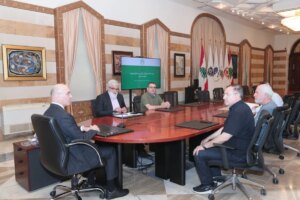
Today, Thursday, the Port of Beirut, in cooperation with the World Bank, launched a comprehensive study aimed at developing a strategic vision to enhance economic and urban integration between the port and its immediate surroundings, allowing for the development of the relationship between the main maritime facility in the capital and the urban fabric surrounding it.
The initiative, which is funded by the World Bank Group and provides technical support from local and international expertise, includes a series of specialized workshops, to be concluded by presenting the results and perceptions that the study will reach in a final workshop.
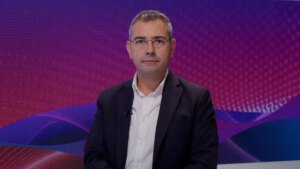
The Chairman of the Board of Directors and Director General of the Port of Beirut, Marwan Al-Nafi, affirmed the administration’s commitment, since assuming its duties, to working to achieve this integration, stressing the importance of formulating a smooth relationship that guarantees economic interaction between the port and its surroundings.
Al-Nafi said that Beirut Port is distinguished by its presence within the urban fabric of the capital, similar to a number of international ports located in the heart of cities and which have historically formed part of its economic and urban identity, pointing out that the expansion of cities and the change in their functions imposed the need for more organized and integrated relations between ports and their surroundings.
He added: “The Port of Beirut and the city do not work in isolation from each other, and the goal is to reach a formula that ensures that the city benefits from the presence of the port, and allows the port to continue performing its economic and development role.”
He added that the port administration has been committed, from day one, to working to achieve this integration, making the port a source of pride for the city and its people, and at the same time establishing a smooth relationship with its surroundings.
Al-Nafy announced that the World Bank will finance the study with the aim of developing a practical vision that will help achieve this integration and reach the best possible formula that serves the port, the city, and the public interest, thanking the World Bank for its support and trust.
For his part, Director of the World Bank Group Office in Lebanon, Enrique Blanco Armas, stressed that the launch of the study comes at an appropriate time, in parallel with the strategic vision launched by the port, stressing that the value of ports is not measured only by their size, but also by the job opportunities, services, and economic activities they generate in the surrounding areas.
Armas stressed the World Bank’s readiness to provide support and technical assistance in this framework.
The study gains additional importance in light of the current path to redefine the future role of the Beirut Port after the explosion of August 4, 2020, which caused extensive damage inside the port and in the surrounding neighborhoods of the capital. Following the explosion, the World Bank had placed the file of reforming the port sector and rebuilding Beirut Port among the recovery priorities, with a focus on governance, operational efficiency, and linking reconstruction to economic and urban development.
The new initiative is consistent with the broader vision set by the World Bank for the port sector in Lebanon, which includes the principle of “an integrated port with the city” among its strategic pillars, in addition to developing logistics services, digital transformation, sustainability, and improving the connection between ports and their economic surroundings, allowing the waterfront to be transformed into a supporting element for urban development and the competitiveness of the port.
The Port of Beirut is the main maritime gateway for Lebanese foreign trade, which makes any plan to develop it directly linked to import and export movement, supply chains, job opportunities, and commercial activity in the capital, at a time when Lebanon seeks to rehabilitate its infrastructure and restore the role of its vital facilities within the path of economic recovery.