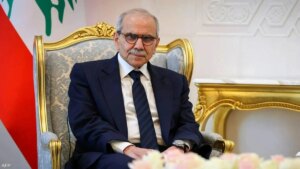
The President of the Republic, General Joseph Aoun, published Law No. 68, which was approved by the House of Representatives a few days ago, abolishing the death penalty in Lebanon, in a step that puts the legislation into effect after completing the related constitutional process.
The publication of the law comes after its approval in the House of Representatives as part of a package of legislation recently discussed by the House, moving Lebanon legally from the stage of practically halting the implementation of death sentences for many years to abolishing the penalty from the legislative system.
The law represents a fundamental shift in Lebanese penal policy, as the death penalty remains included in a number of legal texts despite the fact that no death sentence has been implemented in Lebanon since 2004.
The publication of the law is of particular importance because it determines the constitutional course of the legislation after its parliamentary approval, and establishes the transition towards alternative punishments approved by the House of Representatives for cases that previously required the death penalty.
The House of Representatives approved the abolition of the death penalty a few days ago, in a move that aroused widespread interest at the human and legal levels, especially since the death penalty file has been the subject of discussion for years between those calling for its complete abolition from the laws and those calling for keeping it for the most serious crimes.
The publication of the law comes at a stage witnessing a series of legislative changes related to the judicial and penal system in Lebanon, coinciding with the adoption of the General Amnesty Law and the provisions it contains related to those sentenced to sentences that previously amounted to death.
Thus, Lebanon has moved from suspending the actual implementation of the penalty for more than two decades to legally abolishing it, after the courts remained able during the past years to issue death sentences without implementing them.
The signing of the law came on a busy day in Baabda Palace, where President Aoun also followed up on several political and security files, most notably the future of the UNIFIL forces in the south, stressing before a parliamentary delegation that Lebanon’s first option is to extend the international force and prevent any international vacuum in the region.