According to “Business Times”, citing “Bloomberg”, this shift comes in light of a shortage of necessary ammunition in the US army, and a warning against continuing an unpopular war, which prompts the administration to reuse the “maximum pressure” policy that Trump adopted during his first term.
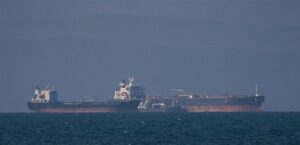
US Energy Secretary Chris Wright said that Iran’s strategy will ultimately lead to the “collapse of the regime” while stifling the economy, noting that Washington’s ability to escort products through the Strait of Hormuz is increasing, and that the Iranian pressure card there is declining.
The administration adopts a rhetoric that emphasizes that Iran is suffering from high inflation and a shortage of funds. Trump said that he is dealing with the Iranian issue calmly, adding that Washington is monitoring the Iranian economy as it is under increasing pressure. Treasury Secretary Scott Besent also said that the Iranian government was making the people suffer, and that the pressure would continue.
Sources and analysts say that the Iranian economy was severely damaged by the war, with the destruction of a large portion of industrial capacity, and a decline in oil exports due to the American blockade. Central Bank data also showed that annual inflation recently reached 77%, while the Iranian currency declined by more than 10% compared to its level before the war.
But betting on sanctions is not guaranteed results. Washington has imposed sanctions on Iran for decades without this leading to significant political change. Since 2018, the United States has added about 2,200 sanctions on Tehran, including about 350 within the “Economic Fury” campaign led by Picent, without pushing Iran to back down on the nuclear issue or give up its grip on the Strait of Hormuz.
Some experts believe that the Iranian regime is still entrenched, and that sanctions may stifle its resources, but they will not necessarily force it to abandon its nuclear program or radically change its behavior. A Bloomberg Economics report also warns that pressure, if accompanied by continued threats from Trump, may serve Tehran’s internal narrative and limit opposition.
Washington still has options to tighten the screws, most notably targeting China and India, which are the largest buyers of Iranian oil, especially since China accounts for more than 90% of Tehran’s oil exports. But targeting major Chinese banks that finance this trade may open a new confrontation with Beijing before an expected meeting between Trump and Chinese President Xi Jinping in September.
Options also include going after exchange offices and brokers in countries such as the UAE, where Iran needs to convert revenues from oil sales, which it sometimes receives in Chinese yuan, into currencies that can be used internally. However, this step alone does not seem sufficient to push Tehran to surrender.