November 18, 2026

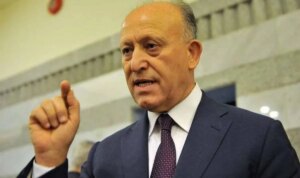
The Military Court in Lebanon brought back the spotlight on the town of Qubai in the Upper Matn, following the issuance of a judicial ruling in the case of the attempted murder of MP Hadi Abu Al-Hassan, sparking an intense political debate between the former head of the Socialist Front, Walid Jumblatt, and former Minister Wiam Wahhab, revealing old disputes within the Socialist House related to the former field leader, Ghanem Tarabay.
In the details of the case, whose roots go back to a problem that occurred on the seventh of last May while MP Abu Al-Hassan was participating in a funeral service in Qubay, the judicial ruling raised the objection of Jumblatt, who wrote a tweet on the “X” platform – which he later deleted – in which he said: “The message has arrived, the message of the agencies and their agents.” The data indicate that Jumblatt believes that Wahhab used his influence to influence the course of the case and spare Ghanem Tarabay from conviction.
On the other hand, Wahhab responded publicly, denying the interference of any security services in government, and stressing that “the law has spoken,” directing a question to Jumblatt by saying: “Do you want to humiliate the Druze heroes?” For his part, Representative Hadi Abu Al-Hassan contented himself with issuing a statement in which he hinted at the existence of political interference in the judiciary without naming a specific party.
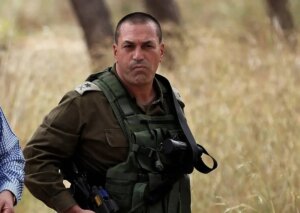
Ghanem Tarabay’s name was included in the investigations after the accused, Maher Tarabay, gave a statement stating that the hand grenade in his possession came from Ghanem. However, Maher retracted his statements before the court, confirming that he was under pressure from investigators of the Information Division to add Ghanem’s name, and denying that the latter had handed him the bomb or incited him to target the MP.
The military court issued a ruling acquitting Maher Tarabay of the crime of attempted murder, and only imprisoning him for six months for criminalizing the transfer of weapons without a license and confiscating the seized items, while it acquitted Ghanem Tarabay of the basic charge and contented himself with fining him. Information indicates that the Military Public Prosecution intends to appeal on a discriminatory basis the ruling acquitting Maher of attempted murder.
Ghanem Tarabay carries historical symbolism in the Upper Matn, as he emerged as one of the field commanders of the Progressive Socialist Party during the civil war, specifically in the battle of “Al-Qarya-Qubei” on June 27, 1982, facing the “Lebanese Forces,” a battle in which Manuel Ernest Gemayel was killed and a number of Tarabay’s relatives fell. Ghanem later took over the file of veterans’ affairs in the party, and Abu Al-Hassan participated annually in commemorating the battle.
However, the course of the relationship between Tarabay and Jumblatt witnessed a rift that began with the decision to nominate Hadi Abu Al-Hassan for representation, as Tarabay objected to this choice to represent the socialists in Matn. The gap deepened with Tarabay’s active participation in the October 17 protests, contrary to Jumblatt’s wishes, up to the events in Suwayda, where Tarabay announced his support for the positions of Sheikh Hikmat Al-Hijri and his opposition to Ahmed Al-Sharaa, thus taking a position different from Jumblatt’s position on the Syrian file.
With Ghanem Tarabay being prosecuted, he gained the support of a number of Druze sheikhs. The political dimension emerged in the trial sessions through the pleading of lawyer Fadia Shadid, who indicated that there were political, personal, and partisan backgrounds behind the case, related to disagreements with Jumblatt, so that this dispute returned to the forefront of the public scene with the issuance of the judicial ruling, the related aspect of which is awaiting an appeal soon from the Public Prosecution.