November 18, 2026

In light of the escalating economic and living challenges in the city of Tripoli and the northern regions, the issue of job opportunities and revitalizing economic activity has become the forefront of attention, amid consensus on the necessity of developing vital and investment facilities, most notably the Port of Tripoli, Qlayaat Airport, and the Special Economic Zone, as they are essential pillars for supporting the national economy and opening new horizons for young people and workers.
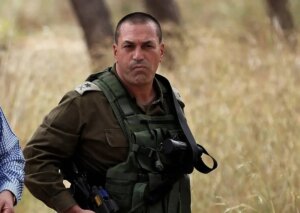
In this context, the President of the Chamber of Commerce, Industry and Agriculture in Tripoli and North Lebanon, Tawfiq Dabboussi, received the President of the Federation of Trade Unions and Employees in North Lebanon, Captain Shadi Al-Sayyid. The meeting focused on discussing the economic, living and social conditions facing workers and institutions, as well as ways to meet workers’ demands and ensure the continuity of work sectors.
During the meeting, Captain Shadi Al-Sayed appreciated the pioneering role played by the Greater Tripoli Chamber in addressing development issues, praising its initiatives aimed at improving the living reality and enhancing the cultural image of the city, especially the project to rehabilitate the entrances to Tripoli to highlight its urban and economic components.
On the environmental level, Al-Sayed expressed his aspiration to reach sustainable solutions to the waste crisis, which would contribute to improving the environmental and living conditions of the city, where this crisis is one of its most prominent current challenges.
In the economic context, Al-Sayyed renewed his appreciation for Tawfiq Dabboussi’s vision aimed at developing public facilities in the north, specifically the port of Tripoli, President Rene Moawad Airport in Qlayaat, and the special economic zone, stressing that these projects represent promising investment opportunities capable of providing decent and diverse job opportunities.
Al-Sayed pointed out the strategic importance of these facilities in stimulating economic activity at the northern and national levels, especially in light of the urgent need for productive projects that enhance the institutions’ ability to withstand and alleviate the severity of living crises.
These discussions come at a time when official and popular calls are escalating to activate the infrastructure and economics in northern Lebanon, to benefit from its components capable of achieving sustainable development, linking economic growth to job creation, and consolidating Tripoli’s position as a regional center for investment and business.