October 26, 2026

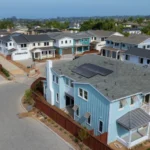
The housing crisis is at the forefront of the political and economic scene in the United States, with it becoming one of the most prominent issues in the midterm congressional elections scheduled for next November 3, in light of the continued rise in home prices and mortgage interest rates, making the dream of owning a home out of reach for millions of Americans, especially young people and middle-class people.
According to data from the American Association of Realtors, the median price of existing homes sold reached about $417,500 in September 2026, recording a 54% jump in real estate prices since 2020, according to a report issued by Harvard University. These challenges were exacerbated with the rise in interest on 30-year fixed mortgage loans to about 7.32% in October, compared to an average that did not exceed 2.96% in 2021, which doubled the financial burdens on new buyers.
Harvard University data showed that about 43.5 million American families spend more than 30% of their income on the housing sector, while the share of first-time buyers fell to 21%, recording its lowest level since the beginning of recording this data in 1981. These economic pressures were clearly embodied in the decline in the purchasing power of younger generations, as the median age of a buyer for the first time rose to 40 years, after it was in the late twenties during the era of the 1980s.
As the electoral deadline approaches, the two parties, the Republican and the Democratic, are racing to present visions and solutions to address the housing crisis, which focus on facilitating real estate financing mechanisms, increasing the supply of housing units, and reducing construction costs. In this context, US President Donald Trump issued executive orders aimed at relieving the financial burdens on homebuyers, while Democrats presented a package of measures aimed at increasing supply and providing greater protection for renters.
Despite the multiplicity of these official initiatives, the crisis is still at a standstill amid serious fears of the continued wave of high prices and the continued inability of millions of families to access affordable housing, which places the housing file at the top of the country’s economic and electoral agenda.