October 22, 2026

Qatar and Pakistan are leading intense diplomatic media efforts to calm tensions between the United States and Iran, by putting forward a new settlement proposal aimed at stopping the war and returning the two parties to the negotiating table.
According to a report published by journalists Assaf Rosenzweig and Sapir Lipkin on the Israeli Channel 12 website, the proposal was presented to the American and Iranian sides to meet their basic demands, coinciding with the arrival of the Pakistani army commander, Asim Munir, to Tehran within the framework of his central role as a mediator with Washington.
The proposal includes two main provisions: The first is a partial treatment of the file of frozen Iranian funds by transferring interests worth $6 billion to Tehran through Qatari banks, and the second is Iranian approval to arrange a secret and unannounced visit by International Atomic Energy Agency experts to the nuclear sites.
On the other hand, Tasnim Agency quoted an Iranian security source as saying that the lack of confidence in the American side, and the lack of clarity about who will make the final decision among names such as Anas, Witkoff, Rubio, and Kushner, as well as internal American divisions ahead of the elections, are major obstacles to negotiations.
On the other hand, Reuters reported, citing three senior Iranian officials, that Tehran is deliberately prolonging the talks to weaken President Donald Trump politically ahead of the midterm elections in November, refusing to make any concessions that might give him a political achievement.
One of the officials confirmed that the religious establishment in Iran is more prepared for the possibility of renewed American and Israeli military strikes than it is prepared to reach a final agreement that ends the war.
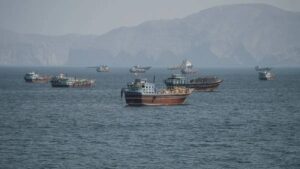
Iranian analyst Saeed Laylaz explained that prolonging the talks allows Tehran to influence the American elections in legitimate ways, noting that the repercussions of the war led to a decline in Trump’s popularity to record levels, amid voters’ fears of rising fuel prices and the continued closure of the Strait of Hormuz.
Despite Trump’s repeated announcement of his expectations for a decline in oil prices after the elections, he has not yet presented a clear plan of action to end military operations.
Between the Qatari-Pakistani efforts to open a diplomatic loophole, and the Iranian military preparations for the worst scenarios, the current proposal remains a decisive test of whether financial and supervisory understandings are able to curb the course of confrontation.