October 22, 2026

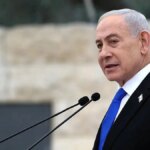
Israeli Prime Minister Benjamin Netanyahu announced that overthrowing the Iranian regime has become a primary goal for Israel, linking this goal to undermining Hezbollah’s influence in Lebanon, noting that he repeatedly discussed this strategy with US President Donald Trump.
In a speech he delivered at the opening of the academic year at Tel Hai University, near the Lebanese border, Netanyahu explained that Israel is committed to what he described as “completing the mission,” considering Tehran “the head of the octopus.” He stressed that the elimination of the Iranian regime would inevitably be followed by the fall of Hezbollah and paving the way for achieving peace with Lebanon.
He added that the Israeli army has made remarkable progress against the party, but the work has not been completed yet. He stressed the need to change the regime in Tehran, justifying this by saying that its survival – even if it weakens – would give it an opportunity to rebuild its nuclear capabilities and restore its regional axis.
These statements come one day after a phone conversation between Netanyahu and Trump, who officially announced his full support for the Israeli Prime Minister in the Knesset elections scheduled for October 27, describing him as the primary partner in confronting Iran. The call was followed by mutual assurances that there was “work to be completed.”
These positions coincide with an escalation in Israeli political and security rhetoric towards Iran and Hezbollah, despite previous statements by Netanyahu in which he ruled out launching an imminent attack on Tehran before the elections. This comes in parallel with diplomatic and communications movements related to the field situation in southern Lebanon, amid Beirut’s commitment to ending the Israeli occupation, stopping attacks, and extending state sovereignty.
With this shift, Netanyahu is elevating his official rhetoric regarding Iran from merely undermining its nuclear program and regional influence to directly demanding a change in the regime, making Tehran’s future the cornerstone for shaping the new balance of power in Lebanon and the region.