October 13, 2026

Natural gas prices in Europe recorded record levels, the highest in nearly four years, driven by escalating concerns about the disruption of supplies coming from the Middle East. This coincided with an unusual decline in the continent’s reserves ahead of the winter season, which portends intensifying global competition for liquefied natural gas shipments.
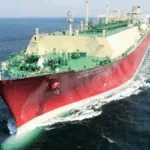
The American Wall Street Journal reported that Dutch gas futures for November – which represent the benchmark for prices in Europe – rose by 1.8% on Tuesday to reach 85.85 euros per megawatt hour, recording their highest level since December 2022. With this rise, prices have more than tripled since the beginning of 2026, following the repercussions of shipping disruptions in the Strait of Hormuz, which led to the cessation of about a fifth of gas supplies. liquefied natural gas in the world.
In the same context, analysts at ING Bank indicated that the European market faces the specter of passing a large part of the winter in the Northern Hemisphere amid a severe shortage of liquefied natural gas supplies from the Arabian Gulf, which further complicates European efforts to replenish stocks before the peak in heating demand.
Data from the European Gas Infrastructure Group show that gas storage facilities in the European Union are only about 73% full, compared to a 50-year average of 89% for the past five years. Although the European Union obligates its member states to reach a stocking rate of no less than 80% by November 1, Europe entered October with stock levels that were the lowest compared to recent years.
For her part, Natasha Fielding, responsible for covering European gas markets and global liquefied natural gas at Argus Media, explained that the current conditions have no close comparison except to the 2021 crisis that preceded the major energy crisis. These levels vary between European countries, as Germany and the Netherlands suffer from a sharp decline in their stocks, while conditions appear relatively better in Italy, France, and Poland.
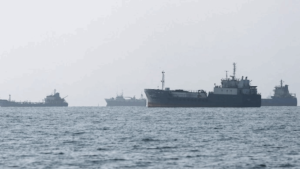
This price rise reflects growing concern about the possibility of escalating geopolitical tensions in the Middle East, coinciding with the recurrence of attacks on ships in the Arabian Gulf and the intensification of attacks on Saudi Arabia, which casts doubt on the stability of supplies, despite monitoring slight indicators of a recovery in exports in recent weeks.
This price wave extended to include the Asian markets as well. Price estimates for LNG cargoes for December delivery to Northeast Asia jumped to $28.80 per million British thermal units, compared to $15.30 recorded on July 1. According to Argos data, prices for November shipments to northwestern Europe nearly doubled to $26.94, compared to $13.86 for the same period.
In turn, Florence Schmidt, chief energy strategist at Rabobank, said that the resumption of liquefied natural gas flows through the Strait of Hormuz during September does not represent a guarantee of their continuation in the coming months, as she suggested that these flows will be characterized by severe fluctuations.
On the other hand, expectations of a strong El Niño phenomenon may constitute a contributing factor in enhancing wind energy production and raising winter temperatures above normal levels in both Europe and Asia, which contributes to reducing the demand for heating. Despite this, the low level of stocks and the continuing risks associated with Middle East supplies place the European continent in an almost complete bet on mild weather to avoid a new crisis in gas prices this winter.