October 13, 2026

Port municipality workers in Tripoli have entered a new escalation phase after they stopped receiving their salaries for the past three months, warning of a complete paralysis in municipal services and the cessation of waste collection operations in the city’s streets if official neglect of their demands continues.
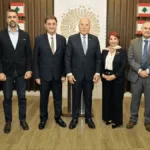
The workers carried out a massive sit-in in front of the municipal building, in which the head of the Federation of Trade Unions and Employees in North Lebanon, Shadi Al-Sayyed, and the head of the municipal workers’ union, Ahmed Al-Marsli, participated in protest against the deteriorating living conditions resulting from being deprived of their financial entitlements over the past period.
During the protest, the head of the Labor Syndicate, Ahmed Al-Marsli, called on the responsible authorities to assume their responsibilities, skipping the deadline for disbursing municipal dues to enable them to perform their role towards citizens and secure the rights of their workers.
For his part, the head of the union, Shadi Al-Sayed, described the suffering of the port municipality workers as “the greatest crime against them,” calling on the Minister of Interior and Municipalities, Ahmed Al-Hajjar, to personally intervene to follow up on the file and secure the necessary financial allocations, warning at the same time against resorting to an open sit-in if the crisis remains unresolved.
These developments highlight the stifling financial crisis experienced by various Lebanese municipalities, which threatens their ability to provide basic services. However, the threat of port workers to stop collecting waste becomes doubly dangerous due to its disastrous repercussions on public health and the environment in the city.
The labor movement remains open to all possibilities of escalation while awaiting a serious response to the issue of delayed salaries, amid fears that the crisis will spread from the corridors of the municipality to the city streets through the accumulation of waste.