October 11, 2026

In light of the worsening waste crisis and its accumulation in the streets of Tripoli, Dar Al-Fatwa hosted an emergency meeting that included representatives, officials and city activists, amid pressing demands for the government to quickly resolve the issue after months of procrastination and faltering research.
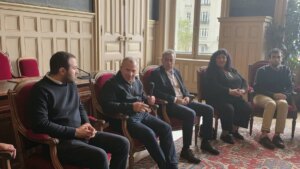
The meeting was held at the invitation of the Mufti of Tripoli and the North, Sheikh Muhammad Imam, and was attended by MPs: Ashraf Rifi, Taha Naji, Karim Kabbara, Ihab Matar, Elie Khoury, and Jamil Abboud, along with representatives of MPs Faisal Karami and Haider Nasser. The Acting Governor of the North, Iman Al-Rafii, and the President of the Federation of Al-Fayhaa Municipalities, Wael Zimrli, also participated in the meeting, in addition to a number of mayors, captains, officials, and local activists.
At the conclusion of the meeting, Sheikh Muhammad Imam read out the decisions of the meeting, stressing that the issue of Tripoli’s waste requires an urgent solution “today before tomorrow.” He pointed out that the file was discussed at length with Prime Minister Nawaf Salam and the relevant ministries in an atmosphere described as positive and supportive.
Imam appealed to the Prime Minister to expedite taking practical steps, hoping to reach a decisive solution by Sunday or Monday. At the same time, he warned of the serious repercussions of the continuation of the crisis, in terms of environmental and water pollution, high disease rates, not to mention unpleasant odors and a harmful visual appearance in the city’s view.
The Mufti of Tripoli pointed out that the city – in light of the talk about upcoming investments – is in dire need of treatment to ensure the restoration of its polarizing role, directing a direct appeal to the government by saying: “Al-Fayhaa calls upon you, return the fragrance of Al-Fayhaa to the city of Tripoli.”
In response to a question about the nature of the solutions, Imam explained that they were studied over a period of 6 months and were put “on track” during the last three months, but they encountered a noticeable slowdown that prevented the desired result from being reached, which requires immediate acceleration of procedures.
Regarding the Sarar landfill file, he stressed that the details of the solutions are now under the control of the government and the concerned authorities, stressing on behalf of the Tripoli activities that the methods of treatment are clear and well-known and cannot tolerate further procrastination or delay.
These escalatory moves coincide with the continued worsening of the waste crisis and its accumulation in the city’s streets, at a time when local authorities continue their diligent contacts with the government and the competent authorities to extract a radical and final solution to this environmental disaster.