October 5, 2026

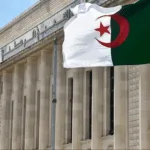
The Algerian Council of Ministers approved the draft finance law for the year 2027, including strict directives from President Abdelmadjid Tebboune requiring the inclusion of scheduled wage increases in the budget, while prohibiting the imposition of any taxes that affect the purchasing power of the middle class and those with limited income. This step comes within the framework of the government’s endeavor to balance enhancing social spending, accelerating the pace of major investments, and diversifying the national economy away from the fuel sector.
President Tebboune had confirmed his commitment to raising wages starting in 2027, explaining that the increases would be implemented all at once or in two installments based on financial data. These trends place protecting purchasing power and enhancing social cohesion at the core of fiscal policy for the coming year, with priority given to projects with high economic and social returns, developing infrastructure, and reducing logistical costs.
In the infrastructure sector, the Council of Ministers approved obtaining financing from the African Development Bank to implement part of the “Al-Maneaa-In-Saleh-Tamangust” railway line. This line is part of a broader strategic project exceeding 2,000 kilometers in length to connect the capital to Timengset in the far south, with the aim of stimulating economic activity, reducing transportation costs, supporting mining investments, and strengthening logistical ties with countries in the African Sahel region. It is noteworthy that last July, the African Development Bank approved financing worth $878.09 million for the second phase of the “Laghouat-Ghardaia-Mneaa” line, especially the 230-kilometre “Ghardaia-Mneaa” section.
In terms of economic diversification, Algeria aims to increase its hard currency resources to reach at least $50 billion annually from non-oil sectors such as cars, mining, iron, and electronics, amid official expectations of economic growth exceeding 4%. In this context, President Tebboune rejected International Monetary Fund estimates indicating a possible decline in foreign exchange reserves to $19.8 billion by 2031, stressing his country’s ability to develop its resources and intensify exploration operations in partnership with international companies, aiming to raise the gross domestic product to $400 billion by the end of this year or early 2027.
At the conclusion of its meeting, the Council of Ministers approved a presidential decree including joining the Green Middle East Initiative Charter, which was adopted in Riyadh and targets climate action and reducing emissions. President Tebboune also issued directives to prepare for holding a special government meeting devoted to the agriculture sector, emphasizing that food security and agricultural production are at the top of the country’s development priorities.