October 3, 2026

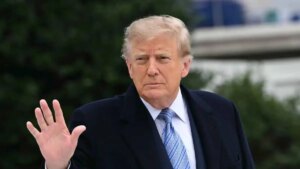
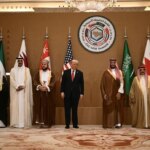
The six Gulf Cooperation Council countries are heading to New York for an upcoming meeting with US President Donald Trump, bringing with them existential questions that go beyond the future of the war with Iran towards the aspects of its strategic security. This move comes, according to an analytical article by Professor Uzi Rabi published by the Israeli Walla website, at a time when Saudi Arabia, the Emirates, Qatar, Kuwait, Bahrain and Oman are heading to meet in isolation from a unified framework, and without a document of common positions that reflects the minimum level of consensus.
This situation is inseparable from the extent of the historical discrepancies that have characterized the policies of these countries regarding regional issues. Qatar and Oman maintained open channels of communication with Tehran, while Saudi Arabia sought diplomatic understandings with it. In contrast, the UAE balanced its trade relations with Tehran with its Western security partnership, while Bahrain considered Iran a direct threat to its internal security.
However, the dynamics of the current war have narrowed the margin of maneuver for all Gulf capitals, according to Rabi. The Strait of Hormuz is no longer just a commercial corridor, but has turned into a critical and threatening point, coinciding with the Houthi advance towards Bab al-Mandab to put pressure on Saudi Arabia, in addition to the new dangers posed by pro-Iranian militias in Iraq. The Yemen crisis stands out as a stark example of this dilemma. When the Saudi Crown Prince, Prince Mohammed bin Salman, and the Chairman of the Yemeni Presidential Leadership Council, Rashad Al-Alimi, requested explicit American support, Washington responded with separate diplomatic moves that ended with understandings with the Houthis that stipulate exclusively neutralizing American navigation, in an approach that reflects Trump’s pragmatism based on the logic of the “deal” and avoiding direct involvement in hotbeds of fire.
The writer warns of the repercussions of this approach on the network of traditional alliances of the United States, pointing out that the previous Israeli experience with the 2025 understandings demonstrated that Washington’s separation of its security from the security of its allies sends negative messages indicating the possibility of signing limited agreements in isolation from the stability of the entire regional system, which is the same scenario that Saudi Arabia faces today.
In light of these challenges, the six Gulf states, according to the analytical vision, must exploit the New York meeting to extract a clear answer from the US administration regarding the nature of its commitment to the security of the region in light of the intertwined threats that simultaneously affected the Strait of Hormuz, Bab al-Mandab, energy infrastructure, and Gulf cities.
The article concludes that the Gulf states are facing a moment of truth after decades of adopting a policy of risk diversification (relying on Washington for security, Beijing for trade, and Tehran for dialogue). Despite the continuing differences between these countries, existential threats have come to unite them around one crucial question: How is Gulf security managed when the superpower prefers to conclude narrow deals instead of protecting the stability of the regional order?