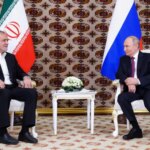
Moscow sent a decisive message to Tehran regarding the future of its nuclear program, stressing its categorical rejection of any possible Iranian withdrawal from the Nuclear Non-Proliferation Treaty (NPT), and its aspiration for the strategic partner to continue its commitment to pledges not to possess or develop a nuclear weapon.
According to a report published by journalist Ram Brands on the Israeli Broadcasting Corporation “Kan,” Kremlin spokesman Dmitry Peskov stated on Tuesday that Russia “is not concerned” with Iran’s exit from the treaty, considering that statements issued by Iranian officials regarding the possibility of withdrawal “require clarification,” and citing the importance of Tehran fulfilling its obligations not to develop a nuclear arsenal.
The Russian position comes at a time when Iran is witnessing an escalation in parliamentary debates and calls from conservative representatives and leaders in the Shura Council to expedite a draft law obligating the government to withdraw from the treaty. These representatives justified this trend by saying that continuing cooperation with the International Atomic Energy Agency and remaining in the treaty no longer achieve Iranian interests, but rather give legitimacy to sanctions and foreign strikes, in parallel with ongoing tension between Tehran and the agency against the backdrop of the Board of Governors’ reports in September regarding the lack of compliance with guarantees.
In another context, the Kremlin categorically denied the Estonian accusations that Russian security services were responsible for a fire that targeted the defense company Milrem Robotics in the capital, Tallinn, describing them as “baseless.”
On the level of economics and sanctions policy, Peskov defended presidential decrees imposing a temporary external administration on the activities of foreign companies inside Russia, indicating that these measures represent a response to the involvement of “unfriendly countries” in military activities targeting Moscow. Peskov stressed that these measures do not affect the ownership of assets and are subject to reversal, adding that there are no current reasons to cancel them.
This discrepancy, despite the strength of the strategic partnership between the two countries, reflects that the Iranian nuclear file represents a red line and a very sensitive issue for Moscow, which seeks to keep Tehran within the non-proliferation system amid growing voices calling for its departure within Iranian political circles.