On the 13th anniversary of the bombings of the Al-Taqwa and Al-Salam mosques in Tripoli, former Prime Minister Saad Hariri recalled the scene of the crime that shook the city on August 23, 2013, stressing that the pain of that day is still present in the memory of the people of Tripoli and the north.
Hariri wrote on his account on the “X” platform: “On the anniversary of the bombing of the Al-Taqwa and Al-Salam mosques, we recall with the people of Tripoli and the North an unforgettable moment of pain, asking God for mercy for the victims of the heinous crime and the full recovery of the wounded,” attaching his post with the hashtag “#We_will_not_forget.”
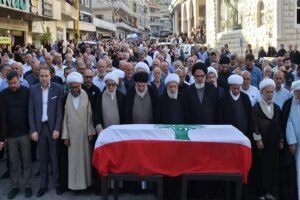
Hariri’s message comes on the anniversary of one of the bloodiest moments in Tripoli’s modern history, when two explosions targeted the Al-Taqwa and Al-Salam mosques coinciding with worshipers leaving Friday prayers, leading to the death of dozens of people and the injury of hundreds.
The first explosion sounded in front of Al-Taqwa Mosque, before a second explosion shook the vicinity of Al-Salam Mosque in the Mina area, turning the city’s streets within minutes into a scene of destruction and rubble, amid extensive operations to treat the wounded and recover the victims.
According to what the judicial and security investigations in the case showed, the two bombings were carried out using two car bombs, while subsequent investigations led to the prosecution of a number of defendants, before the file was transferred to the Judicial Council in one of the most prominent security cases that was linked to the period of tensions that accompanied the repercussions of the Syrian war on Lebanon.
According to the indictment in the case, the two bombings left 50 martyrs and about 800 wounded, while their repercussions remained fresh in the memory of the city and the families of the victims, given the size of the human losses and the nature of the targeting that occurred in front of two mosques after Friday prayers.
The two bombings came at a time when Tripoli was experiencing severe security and sectarian tensions, which raised fears that the crime would lead to wider strife in the city and the north. However, popular and political reactions focused on containing the repercussions and preventing the situation from sliding towards further tension.
After 13 years, the memory of August 23 is still fresh in Tripoli, not only with the painful scenes it brought, but also with the wound it left behind for hundreds of families who lost their children or whose members were injured, while the demand to achieve full justice and hold all those responsible for the crime accountable remains an essential part of the city’s memory.