The Mufti of the Lebanese Republic, Sheikh Abdel Latif Derian, received MP Adeeb Abdel Masih at Dar Al Fatwa, where they discussed the developments taking place in Lebanon, especially the accelerating field escalation in the south and its repercussions on the internal arena.
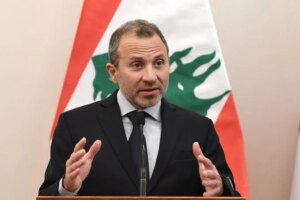
After the meeting, Abdul Masih confirmed that his visit comes at a “delicate stage” that the country is going through, especially in light of the painful and accelerating events in the south, noting that he went to Dar Al-Fatwa to listen to Mufti Derian’s directives and advice regarding the current situation.
Abdel Masih stressed that visiting Dar Al-Fatwa has a national significance, warning against each party resorting to its own sect in crises, considering that this constitutes the “biggest mistake” that can be committed in Lebanon.
He called for rallying around the Lebanese state and adhering to the logic of coexistence, unity, democracy and peace, recalling the experience of building Lebanon and the foundations on which it was built, warning against being drawn into internal disputes that open the door to chaos and allow others to tamper with the country’s security.
Abdel Masih quoted Derian as emphasizing the need for the Lebanese to stand behind the state and stay away from quarrels and internal divisions, stressing the importance of supporting the President of the Republic, Joseph Aoun, Prime Minister Nawaf Salam, and the government, especially the Lebanese army and security forces.
He pointed out that the army, before it needs material support, needs “moral support” and a real national rally around it, adding: “Our message today is a message of national unity and standing behind the Lebanese state and the Lebanese army.”
In the same context, Mufti Derian received the Army Commander, General Rudolph Heikal, and discussed with him the situation on the Lebanese scene and security and field developments.
Derian praised the role of the army and its leadership in maintaining the country’s security, stressing his support for the military institution in preserving Lebanon’s stability and safety.
He also praised “the heroism and sacrifices that the Lebanese army made and is making in confronting the Israeli attacks on Lebanon and in maintaining security and stability in the country.”
Dar Al-Fatwa meetings gain additional importance in light of the escalation taking place in the south and the increasing field pressures, in parallel with the rise in political and religious calls to fortify the internal front and prevent external tension from turning into internal divisions, while emphasizing the role of the army and state institutions as a basic reference at this stage.