Iranian Shura Council Speaker Mohammad Bagher Qalibaf stressed that “the completion and consolidation of a ceasefire in Lebanon is the result of the steadfastness and struggle of Hezbollah and the unity of the axis of resistance,” stressing the need for the United States to adhere to the agreement and undo what he considered “Israel’s first mistake.”
Qalibaf added that “the resistance and Iran are one entity, whether in war or in a ceasefire,” referring to the close relationship between the Lebanese and Iranian files in light of the current regional developments.
In a related context, a member of the Loyalty to the Resistance Bloc in the Lebanese Parliament, Ibrahim al-Musawi, told Reuters that the diplomatic efforts undertaken by Iran and other countries in the Middle East may lead to a ceasefire in Lebanon soon, indicating that Tehran is using its blockade of the Strait of Hormuz as a pressure tool in this context.
Al-Moussawi explained that the Iranians have opened channels of communication with various regional and international parties with the aim of reaching an end to the war in Lebanon, as part of a political move that keeps pace with developments on the ground.
On the other hand, two high-ranking Lebanese officials told Reuters that they are aware of the efforts being made to cease fire, explaining that the duration of the truce in Lebanon seems likely linked to the existing truce between the United States and Iran.
This interconnectedness between the two fronts reflects a trend towards managing confrontation within a broader regional scope, where diplomatic tracks overlap with military calculations.
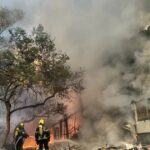
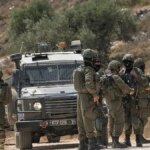
These statements come in light of the continuing escalation on the Lebanese front, coinciding with a negotiating track between Washington and Tehran that resulted in a temporary truce. It seems that any establishment of a ceasefire in Lebanon depends on the results of this path, whether in terms of extending the truce or converting it into a broader agreement.
Between Iranian messages confirming the unity of the fronts, intense regional diplomatic movements, and Lebanese positions awaiting the results of international understandings, the future of the truce in Lebanon remains dependent on balances that go beyond its borders, and are formed within the framework of greater understandings between the influential forces in the region.