November 18, 2026

In a political development that reflects the intensification of the battle to form the Israeli government, the leaders of the Change camp announced their commitment to establishing a national emergency government headed by Gadi Eisenkot, placing the removal of Benjamin Netanyahu at their top priority.
This came at a meeting of the leaders of the camp’s parties, which was held today, Wednesday, and lasted about an hour to discuss the possible coalition formula, according to a report by journalists Ben Caspit and Yehuda Schlesinger on the Israeli “Walla” website. The participants stressed in a joint statement that ending Netanyahu’s term and replacing him with Eisenkot represents an urgent necessity.
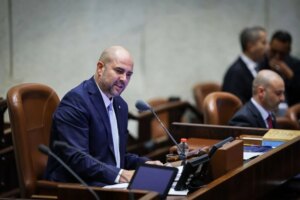
The meeting reviewed the progress made in the negotiations and reviewed parliamentary steps, especially the election of Knesset member Matan Kahane as the new Speaker of Parliament. The attendees also discussed the security, social and international situations, agreeing to continue rapid coordination to complete the formation of the government.
Following the meeting, Yair Lapid, head of the “Together” party, sought to dispel doubts, stressing in his statements that he and Naftali Bennett continue to work tirelessly to form a government of change headed by Eisenkot, warning against being drawn into rumors and speculation related to political meetings and security briefings.
Despite the appearances of unity, the meeting revealed fundamental differences. The head of the “Israel Our Home” party, Avigdor Lieberman, announced his categorical rejection of any minority government that enjoys external support from the Arab parties, reiterating at the same time his absolute refusal to participate in a government headed by Netanyahu under any circumstances.
Lieberman’s position puts Eisenkot’s camp before a complex equation, as he closed the door on one of the options for forming a government away from the Haredi parties, at a time when Naftali Bennett is facing sharp criticism within the camp against the backdrop of his recent meeting with Netanyahu to obtain a security briefing.
Those close to Bennett made it clear that he only rejects Netanyahu’s presidency of the government, stipulating that Eisenkot assume the position first within a rotation agreement, and stressing his keenness to keep all options open to form a “good Zionist government.” On the other hand, sources in the camp accused Bennett of harming voter confidence and his ambition to return to the leadership of the right, warning that pushing matters toward new elections would destroy his political future.
These discrepancies confirm that the unity of the change camp is subject to actual testing that goes beyond official statements. Eisenkot’s ability to gather his partners behind one government formula remains the most prominent challenge, amid mounting security complications and conflicting political means to achieve the goal of toppling Netanyahu.