November 2, 2026
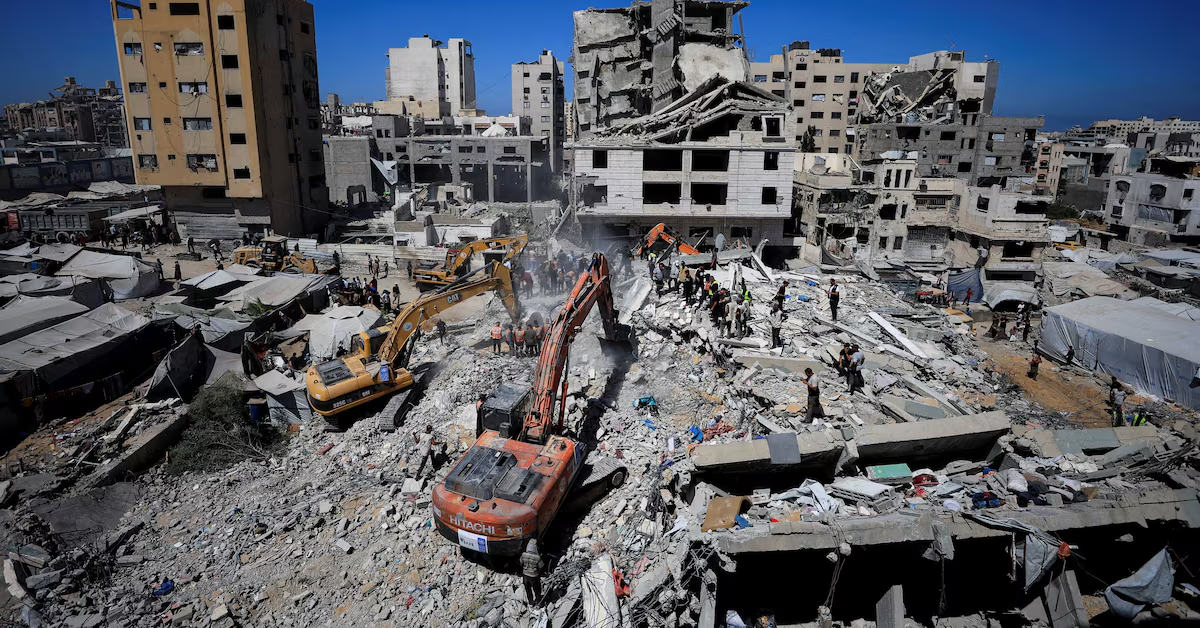
In light of the lack of sources of livelihood and the absence of heavy equipment as a result of the Israeli war, a number of Palestinians in the Gaza Strip resort to manual labor in removing the rubble of destroyed buildings, using heavy hammers and simple push carts.
A report published by the Al-Araby Al-Jadeed website indicates that the volume of rubble in the Gaza Strip exceeds 60 million tons, according to estimates by the United Nations Development Programme. The destruction of more than 80% of the buildings in the Strip resulted in a severe housing crisis, which led to rents for some apartments rising to exceed a thousand dollars a month, prompting the owners of the destroyed homes to hire workers to clean the lands and use them to erect tents or temporary housing.
In the same context, worker Rushdi Arafat (33 years old) said that he works in a team of 12 people to break up concrete blocks, extract iron, and transport rubble. He explained that the work began in early 2025 with the return of the displaced, and was initially limited to cleaning houses and opening roads before expanding to include the removal of entire buildings, noting that removing the rubble of one floor takes about 15 days of continuous work, ten hours a day, from seven in the morning until five in the evening.
For his part, worker Suhaib Rateb (36 years old), who leads a team of 15 workers, explained that the widespread destruction and scarcity of shelter spaces forced residents to remove the rubble using the simplest means. He stressed that these tasks involve extreme risks as a result of relying on physical effort amidst dust and twisted iron, in addition to the absence of equipment, power outages, and the high costs of operating electrical tools.
In turn, worker Saed Subeih (28 years old) explained that the majority of workers in this field lost their basic jobs following the destruction of their shops and workshops during the war. He pointed out that daily wages range between $25 and $30 for ten hours of hard work, which are insufficient amounts to confront the extreme high prices and decline in humanitarian aid.
The report concludes that removing rubble has become an essential source of income for hundreds of unemployed workers, and a means by which owners of destroyed homes can reclaim their lands and secure temporary shelters, despite the great risks and lack of necessary capabilities and equipment.