October 26, 2026

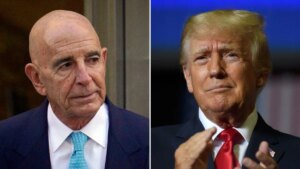
In light of the escalation of military tension between Washington and Tehran, the US special envoy to Syria and Iraq, Tom Barrack, kept the door open to the possibility of launching a new military strike against Iran over the weekend, in a striking position that apparently contradicts the statements of US President Donald Trump in which he ruled out launching any attack before the midterm congressional elections.
In statements reported by Al Arabiya.net via an audio interview, Barak directly answered, “Certainly,” when asked about the possibility of carrying out a military strike over the weekend. He explained that any potential American move would not aim to change the regime in Tehran, but rather aims to restore regional balance, remove threats, and ensure the restoration of global calm. He indicated that the US administration is still open to reaching an agreement, but he expressed doubts about Tehran’s readiness to meet American conditions, accusing it of continuing to use the Strait of Hormuz as a bargaining chip despite repeated diplomatic opportunities.
For his part, US President Donald Trump confirmed, in statements to reporters before leaving Washington for Florida, that he would not attack Iran before the midterm elections, stressing his country’s ability to resolve the conflict very quickly. Trump saw that the Iranian economy was heading toward collapse, wondering whether it would be more appropriate to strike the final blow or let Tehran gradually wither as long as Washington achieves its goals. Trump had stated during an election rally in Iowa that the war with Iran “will end very soon,” regardless of the way it ends.
These statements coincide with an increase in the level of military preparations in the United States, Israel, and Iran, amid fears of the outbreak of a new round of confrontations. On the other hand, Tehran warned against expanding the scope of its responses if it was exposed to any new attack, noting the possibility of targeting vital facilities, including submarine Internet cables.
The Strait of Hormuz remains a major focus of the conflict, as Iran has imposed restrictions on navigation in it since the outbreak of the conflict, at a time when the United States implemented a strict blockade on Iranian ports. Washington and international parties reject Tehran’s insistence on unilaterally supervising the movement of ships, which has made this strategic global energy corridor an extremely dangerous point of conflict.
Between Barak’s threat of an imminent strike and Trump’s confirmation of postponing military action until after the elections, a state of uncertainty is emerging regarding the upcoming American strategy, which puts the region before two possible paths: either a settlement according to American conditions, or a large-scale military explosion.