October 25, 2026

The US Embassy in Beirut updated its travel guidelines for Lebanon, in a move that reflects growing concerns about the expanding regional escalation and the possibility of launching armed attacks linked to the Iran-backed Houthis. The embassy explained that the update issued on October 24, 2026 did not change the existing warning level, but was limited to amending the security summary to keep pace with the increasing risks of hostilities that may exceed their current scope.
The US State Department renewed its explicit call to refrain from traveling to Lebanon for any reason, noting the risks of crime, terrorism, unrest, kidnapping, mines, and armed conflicts. It stressed that the US government’s ability to provide emergency services to citizens inside Lebanese territory remains limited, and it imposed strict restrictions preventing embassy employees from personal movement without prior permission, with the possibility of introducing additional modifications to the diplomatic mission’s movements according to developments in the situation.
In the regional security context, Washington warned that the attacks carried out by the Houthis against Saudi Arabia targeted airports and infrastructure and resulted in civilian casualties and travel disruptions, warning of the possibility of these confrontations escalating quickly. It also referred to the US Federal Aviation Administration’s (FAA) recommendation to exercise caution within 200 nautical miles of the flight information in Damascus due to the intense military activity in and around Syria, warning of the possibility of strikes with drones and missiles in various parts of Lebanon, including Beirut, and the disruption of commercial flights or airport infrastructure.
The State Department stressed that the Lebanese government cannot guarantee the safety of American citizens when any sudden waves of violence break out, pointing out the continued planning of groups such as Hezbollah, the Iranian Revolutionary Guard, ISIS, and Hamas to carry out potential attacks without prior warning targeting tourist sites, transportation centers, markets, and government facilities. It also warned of the dangers of kidnapping and hostage-taking that threaten tourists, humanitarian workers, journalists, and businessmen, in addition to the spread of non-violent crimes such as opportunistic theft.
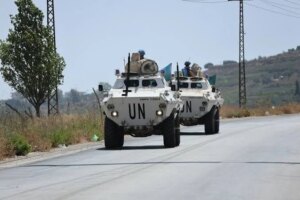
The guidelines identified high-risk areas that are prohibited from visiting and advised to leave immediately, including southern Lebanon, the border areas with Syria, the southern suburbs of Beirut, areas south of the capital, and refugee concentrations, due to terrorism, unexploded ordnance, and mines spread, especially near the border and south of the Litani River, which are often not clearly marked.
In light of these facts, the US Embassy called on its citizens to take strict precautionary measures, including: registering in the Smart Traveler Program (STEP), reviewing security reports, avoiding showing valuables and not accepting drinks from strangers, identifying a family contact point for kidnapping cases, and preparing a personal emergency plan to leave without relying on government assistance. The recommendations also included staying away from demonstrations, seeking the assistance of security companies, preparing wills and post-death arrangements, and purchasing travel insurance that covers evacuation, treatment, and trip cancellations.