October 15, 2026

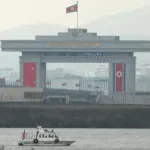
The new Yalu River Bridge, which extends over a distance of three kilometers, and the Chinese customs center located at the end of the 1.3-kilometre-long crossing, have witnessed remarkable activity over the past days. Trucks decorated with Chinese flags lined up on the bridge in preparation for crossing the border, while a number of citizens gathered on the Chinese side along the road overlooking the crossing.
It is noteworthy that the construction of the bridge was completed in 2014, but it has remained out of service over the past years due to the delay in completing the roads leading to it and the customs complex on the North Korean side. In this context, the Chinese Xinhua News Agency, on Thursday, reported that the two countries were organizing official ceremonies to open the bridge, while the official media in North Korea have not published any details about the event yet.
The opening of the border crossing confirms the existence of a noticeable rapprochement in relations between Beijing and Pyongyang, as a culmination of the holding of two summits between the leaders of the two countries during the past year, amid joint efforts to strengthen cooperation and trade exchange. China is North Korea’s largest trading partner, despite multiple international sanctions imposed by the United Nations, which prohibited the supply and displacement of a wide range of goods and labor to and from North Korea, in response to its nuclear and missile programs.
In the diplomatic context, both China and Russia – who are permanent members of the UN Security Council – have previously expressed their doubts about the legitimacy and feasibility of these sanctions, despite their votes in favor of the decisions to impose them until 2017.
In terms of economic indicators, Chinese exports to North Korea last year recorded their highest level in six years, recording $2.3 billion, an increase of 25% compared to the previous year. However, these numbers remain below the levels recorded before the tightening of UN sanctions in 2017, reflecting the continued restrictions imposed on bilateral trade despite persistent efforts to revitalize them.