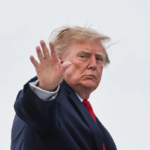
In a remarkable shift, one day after he rejected an Iranian proposal to end the war, US President Donald Trump reopened the door to negotiations with Tehran, expecting American negotiators to engage in additional talks during this week, at a time when Qatar and regional mediators are intensifying their diplomatic efforts to bring viewpoints closer amid fundamental differences that still exist.
According to a report prepared by journalist Barak Ravid and published by the Axios website, Trump stated in a telephone interview on Sunday that he expects a new round of indirect dialogue with Iran that may begin as of Monday. This was confirmed by two regional sources who pointed to the active mediation role led by Qatar to revive the negotiating track.
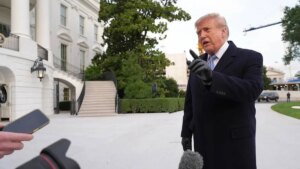
These efforts clash with a significant divergence in the priorities of both sides. Tehran seeks to limit the talks to the Strait of Hormuz crisis and the US naval blockade, while the Trump administration requires major concessions on the nuclear file. In this context, Axios quoted Trump as saying: “I expect more talks with Iran this week. They want to reach an agreement, but it is not the agreement I want to conclude… They have overestimated their cards.” When asked if he was thinking about resuming the strikes, he replied: “I am always thinking about that.”
On the field and economic levels, Trump revealed that the US Army is working to secure and facilitate navigation in the Strait of Hormuz, confirming the crossing of more than 20 million barrels of oil over the weekend, which was confirmed by an official in the US Department of Defense, pointing to the export of 22 million barrels on Friday night.
This diplomatic movement comes as a continuation of a round of indirect negotiations held by US envoys Steve Witkoff and Jared Kushner, last Tuesday, with Iranian Foreign Minister Abbas Araqchi on the sidelines of the United Nations General Assembly meetings in New York, with Qatari mediation that conveyed messages between the two sides, where Araqchi delivered Tehran’s conditions for reopening the strait and resuming nuclear talks.
Iranian conditions included reopening the waterway and resuming negotiations within a week, provided that Washington lifts the naval blockade, lifts sanctions imposed on oil sales, and restores a regional ceasefire, a proposal that Trump rejected on Saturday.
Despite the presidential rejection, the Qatari mediators continue to lead shuttle diplomacy. The Qatari Prime Minister met with the Iranian President in New York on Thursday, then senior Qatari officials met with US envoy Steve Witkoff to inform him of the results. An informed regional source reported that the mediators presented a new settlement formula to the two parties, and they are expected to hold separate meetings with Araghchi and Witkoff starting Monday to discuss proposed amendments to the text of the agreement.
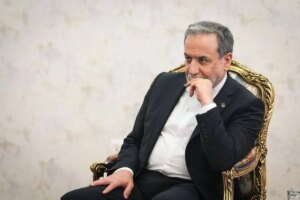
For his part, Iranian Foreign Minister Abbas Araqchi confirmed, in an interview with NBC on Sunday, his country’s adherence to a diplomatic solution despite Trump’s refusal, adding that the US midterm elections do not factor into Tehran’s calculations, which is focused only on its national interests. He said: “Although we heard from President Trump that he rejects this agreement, we are still waiting for an official response through mediators. We are ready for negotiations.”
While the Qatari mediation continues to try to bridge the deep gap between Tehran’s conditions and Washington’s nuclear demands, the course of the negotiation remains dependent on the extent of the mediators’ ability to bring points of view closer together, in parallel with the military option remaining present in the US administration’s statements.