The heated debate between Tehran and Washington regarding the security of navigation in the Strait of Hormuz has entered a new phase, following the response of the General Staff of the Iranian Armed Forces to official American statements regarding securing the transit of oil tankers and the volume of exports during the past two months, describing them as “misleading” and a “failed psychological operation.”
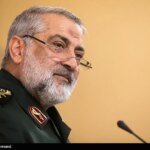
In this context, the spokesman for the Iranian General Staff, Brigadier General Abolfazl Shekarji, considered that the statements issued by the Commander of the US Central Command (Centcom), regarding escorting oil tankers and exporting about one billion barrels of crude within two months, aim to “raise the morale of the exhausted American forces and justify the high cost, humanly and financially, that Washington is incurring in the region.” Shekarji stressed that these “allegations” will not change what he described as “the reality of the withdrawal of American forces from the region.”
The Iranian response came in response to the announcement by the Commander of the US Central Command, Admiral Brad Cooper, on Saturday, that US forces contributed to securing the passage of about one billion barrels of crude oil through the Strait of Hormuz during the past two months, in addition to securing the passage of more than two thousand commercial ships. Cooper pointed out that the main passages in the strait are now free of mines, stressing that the movement of oil, gas and goods recorded their highest levels in six months during the last two weeks. Cooper also claimed that the American blockade imposed on Iranian exports prevented the exit of any barrel of Iranian oil, a narrative that Tehran rejected outright.
While Washington insists that the deployment of its forces aims to protect international navigation and secure the movement of commercial ships, Tehran renews its demand for the withdrawal of foreign forces from the region, stressing that the security of the Gulf must be exclusively undertaken by its countries, which keeps the issue of the American military presence one of the most prominent areas of political and security tension between the two sides.