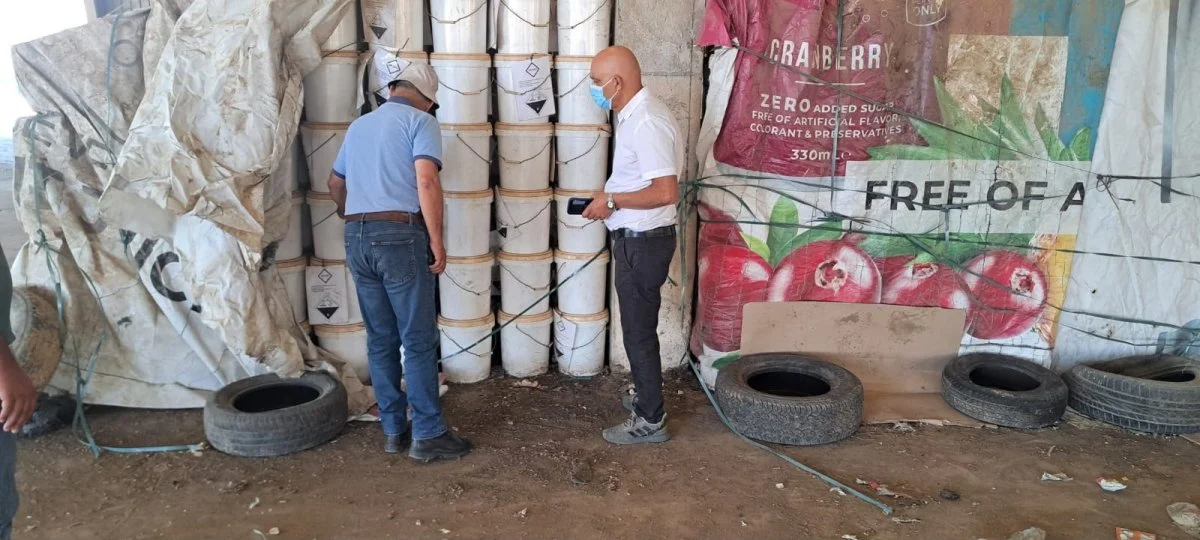
The National Litani River Authority announced that it conducted, in coordination with the Municipality of Zahle, a field inspection at the Zahle landfill, today, Thursday, August 13, 2026, on chemical waste resulting from the Zouk and Jiyeh thermal plants, with the aim of verifying the nature of the materials present, their status, and their potential effects on the soil, surface and groundwater.
The Authority explained, in a statement, that the disclosure comes within the framework of its follow-up of the file of chemical waste, which the Electricité du Liban Corporation has obligated to transport and dispose of to the “TECMO” company, with the approval of the Ministry of the Environment.
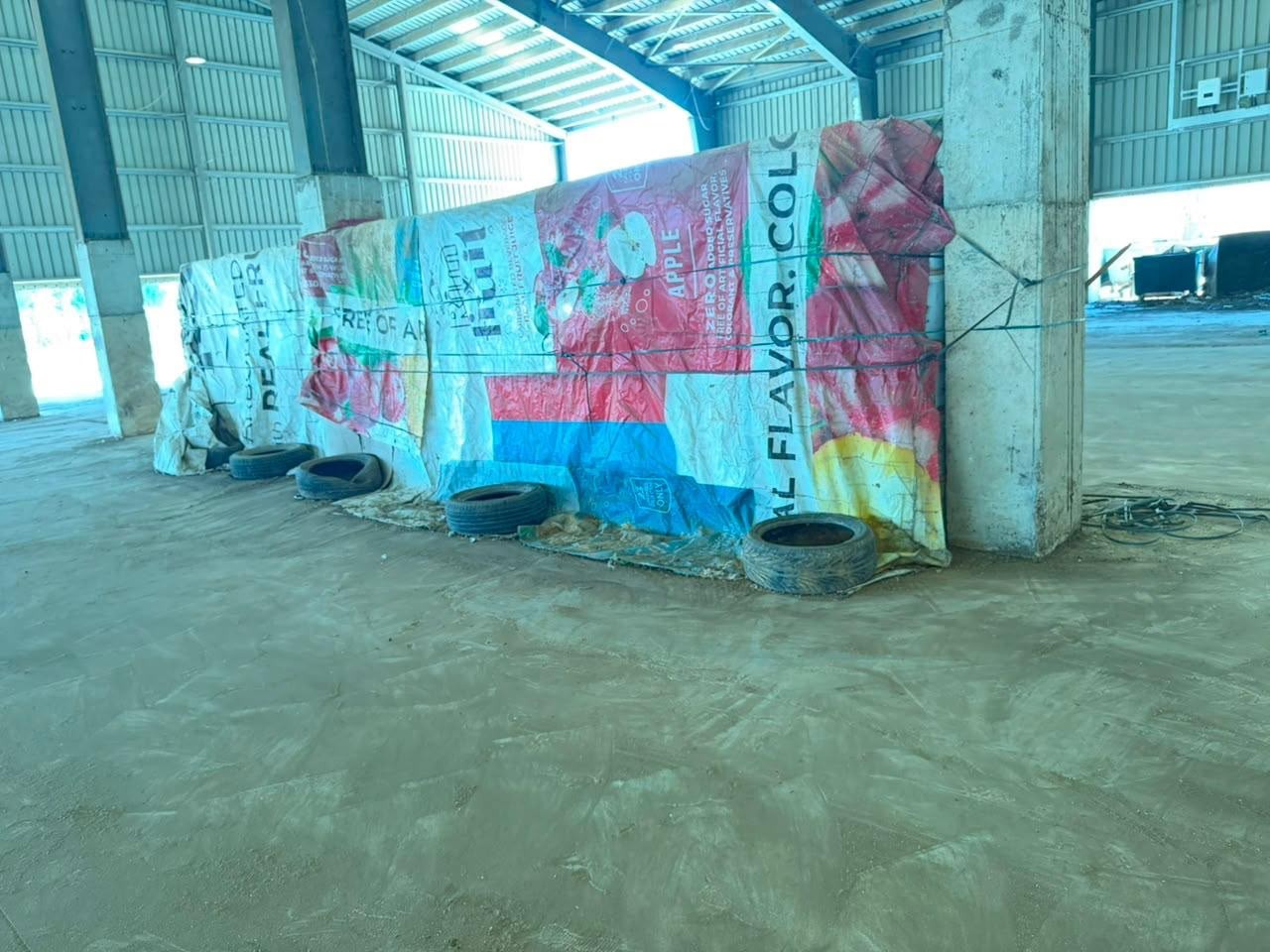
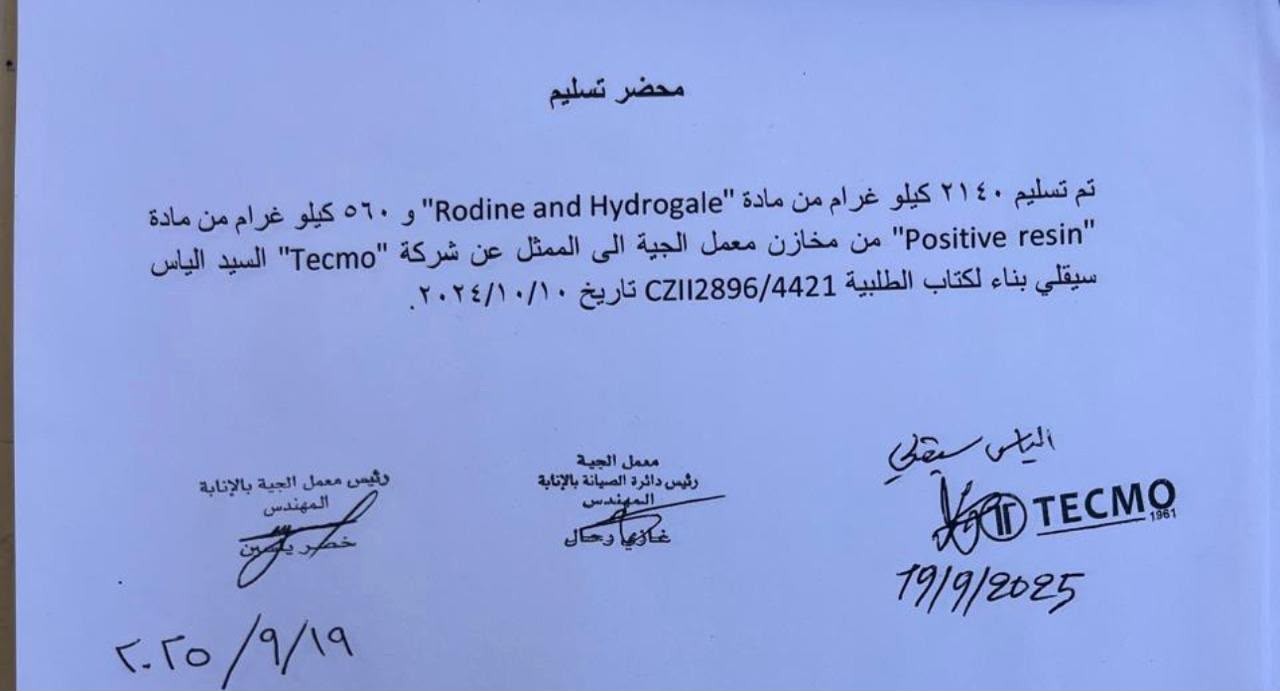
According to the delivery minutes, quantities of approximately 5 tons of “Sodium Metasilicate” were transferred to the contractor in September 2025 from the Zouk plant, in addition to 2,140 kg of “Hydrogel” and 560 kg of “Resin” from the Jiyeh plant.
The Authority indicated that the Zahle Municipality had warned the contractor of the need to remove these materials from the landfill.
The Authority affirmed its solidarity and full cooperation with the Municipality of Zahle, stressing the need to transport the materials to an approved and designated site for treatment or disposal in accordance with technical and environmental principles, in a way that prevents exposing the soil, water resources, environment and public health to any risks.
She appealed to decision makers, ministries and concerned authorities not to transform the Litani River Basin into an area to absorb environmental burdens and risks resulting from problems originating in other regions, considering that environmental justice requires distributing burdens fairly, and not transferring them from one region to another, especially to a basin that already suffers from serious accumulations of pollution and environmental pressures.
The Authority stressed that protecting the Litani River Basin must constitute a basic criterion in any decision related to addressing environmental crises, stressing that any solutions aimed at alleviating the environmental burden on other regions must not be at the expense of the Litani, its waters, or the residents of its basin.