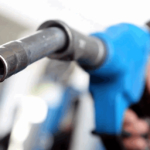
He pointed out that “these policies did not target farmers alone, but rather affected the entire national production, exhausting the agricultural, industrial, transportation, and other economic activities, raising the cost of production, weakening the competitiveness of Lebanese products, and deepening the economic recession, while the citizen’s purchasing power declined to unprecedented levels.”
He explained, “The agricultural sector is at the forefront of those affected, as farmers are suffering under the burden of the high cost of fuel, irrigation, transportation, and packaging, in conjunction with the continued Israeli attacks targeting agricultural lands and infrastructure, and the absence of any serious official plan to support national production or protect food security.”
The meeting called for “correcting fuel prices in line with the global decline, breaking monopolies, abolishing fees that burden producers, and adopting a comprehensive national policy to support productive sectors, especially agriculture, as it is a basic pillar of economic resilience and national sovereignty.”
He called on “all federations, trade unions, and economic and production bodies to unify their position and take urgent action in defense of national production and the right of the Lebanese to a decent life,” warning that “the continuation of these policies will only lead to more poverty and collapse, and that ignoring the cry of producers and citizens will leave people no choice but to defend their rights by all legitimate means.”