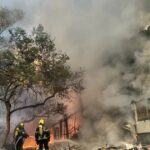
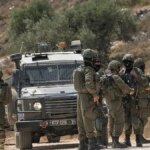
A recent scientific report prepared by the Ministry of Agriculture, the third of its kind, on the impact of attacks on the agricultural sector in Lebanon, showed the extent of the increasing damage to agricultural production and farmers, warning of “serious repercussions on national food security, at a time when the Ministry of Agriculture continues to implement an emergency response plan to ensure the continuity of production and support the resilience of farmers.”
The report is based on official data issued on April 17, 2026, based on field surveys, the farmer registration platform, agricultural and livestock production statistics, in addition to an accurate assessment of the needs of the affected areas.
According to the report, the affected agricultural area amounted to about 51,956 hectares, of which 2,392 hectares were damaged during the last week only, equivalent to 22.5% of the total agricultural land in Lebanon.
Also, 10,261 agricultural holdings out of 17,808 registered holdings were damaged, including 1,574 holdings in greenhouses, which reflects the amount of pressure to which the agricultural sector is exposed in various regions.
The report indicated that 78% of farmers in southern Lebanon have completely stopped their work, as a result of the inability to access land or lack of safety, while a high rate of displacement was recorded, amounting to 76.8% of farmers, compared to only 23.2% who are still in their towns.
Losses affect various crops and production
The damage includes a wide range of agricultural crops, most notably wheat and barley, in addition to vegetables such as tomatoes, cucumbers, potatoes, and eggplant, and legumes such as chickpeas, lentils, and beans, as well as strategic crops such as tobacco, sesame, and watermelon.
Regarding agriculture in greenhouses, significant damage was recorded in the cultivation of cucumbers (462 units), potatoes (803), tomatoes (243), and tobacco (1689), which threatens the next agricultural production cycle.
The report shows that farmers are in urgent need of securing fuel for irrigation, transporting production to safe areas, providing fodder and vaccinating livestock, in addition to agricultural production inputs, water, and medicines.
The regions of Marjayoun, Bint Jbeil, and Nabatieh stand out among the most affected, with a clear disparity in the extent of needs.
On the other hand, the Ministry of Agriculture confirmed that it had developed a response plan based on emergency support for farmers, protecting agricultural and animal production, and preserving food supply chains.
The measures taken included facilitating the import of agricultural products, coordinating with the Ministry of Economy to monitor prices, and accelerating the entry of goods through the crossings, in addition to supporting farmers in dangerous areas.
As part of the aid, cash support was provided to 4,840 farmers with a total value of $1,600,150, in addition to in-kind assistance that included feed, water pumps, agricultural inputs, and infrastructure support, from which 1,836 farmers benefited.
Also, the Ministry issued a series of instructions to farmers, calling on them not to touch any suspicious objects, examine soil and water before use, ensure the safety of agricultural infrastructure, and work to clean the lands of mines before returning to them.
The report concludes that the agricultural sector in Lebanon is facing a severe crisis, with a large percentage of land damaged, production methods disrupted, and displacement rates high, which threatens the collapse of agricultural production if intervention is not done quickly.
Despite government efforts, the report stressed that the extent of the damage exceeds local capabilities, which requires broad international support to ensure recovery and sustainability of the sector.
The report concluded by stressing that protecting food security in Lebanon has become directly linked to quickly implementing response plans, securing the necessary funding, and ensuring safe access to agricultural land, ensuring the continuity of this vital sector under the current circumstances.”