November 19, 2026

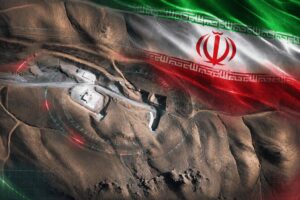
Disagreements are escalating within political and security circles in Washington and Tel Aviv regarding the extent of the Iranian threat, against the backdrop of Israeli intelligence information indicating that Tehran is developing chemical and biological weapons. These data have raised doubts among senior officials in the administration of US President Donald Trump, at a time when Israeli Prime Minister Benjamin Netanyahu is intensifying his pressure to push Washington towards resuming the war on Iran, amid regional and international fears that the region will slide into a widespread military confrontation.
In the details revealed by Israeli Channel 12, today, Thursday, November 19, 2026, citing American officials, sharp disagreements emerge about the seriousness of the Iranian chemical weapons program and the possibility of their use in equipping missiles and drones. Senior officials in the Trump administration doubt these intelligence allegations, considering that some Israeli warnings may be motivated by a political agenda aimed at accelerating military operations against Tehran.
According to the data, Israel provided new intelligence information claiming that Iran is intensifying its research and development activities related to chemical weapons and conducting field tests, which is data that President Trump reviewed during an intelligence briefing. However, mutual assessments between Washington and Tel Aviv acknowledge that Iran, despite increasing its activities in this area, does not currently have the actual ability to carry out chemical attacks, which fuels disagreement about the immediacy and nature of this threat.
In a move that reflects escalation efforts, Israeli Prime Minister Benjamin Netanyahu is exerting intense pressure on the Trump administration to resume the war against Iran as soon as possible, considering that the military delay gives Tehran an opportunity to strengthen its capabilities. These pressures coincided with a visit by the head of the Israeli Mossad, Roman Goffman, to the United States, where he met with CIA Director John Ratcliffe and US envoy Steve Witkoff. During the meetings, Goffman conveyed Israeli concerns about Iranian chemical weapons, warning that the two countries’ inaction at the current stage would later impose a military operation in more complex circumstances.
On the American side, President Trump has not decided on his final position, despite the continued discussion of military options and the White House’s request to the Department of Defense and the intelligence services to prepare assessments about possible Iranian responses. These studies include assessing the risks of Iran targeting oil and gas facilities in the Gulf states, which constitutes the greatest concern for Washington’s regional allies.
In this context, Gulf countries are pressuring the US administration to avoid any new military confrontation for fear of the fire spreading to the energy infrastructure, calling for giving priority to economic pressure and the diplomatic path. These pressures are parallel to diplomatic movements led by regional parties, especially mediators from Qatar and Pakistan, to restart indirect negotiations between Washington and Tehran and overcome the current stalemate.
It is estimated that accusations that Iran possesses chemical or biological operational capabilities are based exclusively on transmitted intelligence information that has not been independently verified. Between Netanyahu’s pressure, American skepticism about the accuracy of some data, and Gulf fears of the outbreak of a comprehensive war, Trump finds himself facing delicate choices that will determine the course of the confrontation with Iran, amid anticipation as to whether diplomatic calculations will prevail over the military option or not.