November 10, 2026

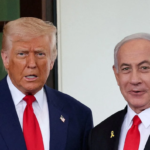
The British newspaper “Financial Times” revealed a diplomatic struggle raging behind the scenes over the fate of the military confrontation with Iran, in light of daily contacts conducted by Israeli Prime Minister Benjamin Netanyahu with US President Donald Trump to push him towards resuming strikes on Tehran, in exchange for counter-movements inside and outside the White House to prevent the renewal of the war and push towards a political settlement.
The newspaper quoted a diplomat familiar with the talks as saying that Netanyahu is intensifying his pressure on Trump through almost daily calls to persuade him to return to the military option, while parties opposed to the escalation are working to confront these efforts, amid demands from regional leaders for the US President to avoid military operations and give negotiations a chance, fearing that any new strikes will lead to Iranian responses that expand the scope of the confrontation and push the region towards a more comprehensive escalation.
The report indicated that these moves raised concerns among regional mediators for fear of undermining diplomatic efforts aimed at ending the war, especially in light of the continuing tension in the Strait of Hormuz and its repercussions on energy markets and international shipping traffic.
This coincided with the US President’s announcement – after his meeting with Qatari Prime Minister and Foreign Minister Sheikh Mohammed bin Abdulrahman Al Thani at the White House – that there was “positive momentum” to end the war, ruling out the resumption of military strikes at the current stage while emphasizing the readiness of US forces to move if circumstances change, and indicating that Gulf countries (Qatar, Saudi Arabia, the UAE, Bahrain, and Kuwait) prefer the continuation of the status quo to a return to military operations.
In parallel, the Financial Times revealed efforts led by mediators to formulate a temporary agreement based on an Iranian plan to reopen the Strait of Hormuz, in exchange for lifting the US blockade, resuming oil exports, and releasing part of the frozen financial assets, in preparation for broader negotiations on the outstanding issues.
However, the agreement faces fundamental obstacles, namely the dispute over the arrangement for implementing mutual obligations, and the fate of about 440 kilograms of Iranian highly enriched uranium, as Washington is committed to transferring this quantity out of Iran and subjecting the nuclear facilities to inspection without resolving these issues yet.
Between Netanyahu’s military pressures, the mediators’ movements to prevent a renewal of the war, and Trump’s talk of diplomatic progress, the future of the confrontation with Iran remains dependent on the outcome of the negotiations and the existing disagreements over nuclear, economic, and security conditions.