October 22, 2026

Foldable phones constituted a prominent milestone in the history of mobile communications, before Apple redrawn the features of the technology sector by launching the first iPhone in 2007, making touch screens and smart applications an essential standard in daily life.
During the 1990s and the beginning of the new millennium, major technology companies entered into a fierce competition to produce compact phones that combined elegant design with advanced features at the time, which produced devices whose names were engraved in users’ memories.
The Motorola Startac phone, which was launched in 1996, emerged as one of the most prominent pioneers in spreading the design of foldable phones, offering a compact size compared to the large devices that preceded it, in addition to a monochrome screen, a traditional number pad, and being one of the first devices to support the vibration alert feature.
In 1999, Ericsson introduced the T28 model, which caught attention with its slim design and movable cover to protect the number plate, in addition to providing advanced features to users, including composing special ring tones, exchanging text messages, and playing simple games.
With the development of imaging technologies, the LG VX-6000 phone represented a pivotal step in integrating cameras into mobile phones. Although its resolution did not exceed 0.3 megapixels and its storage capacity was limited to about 20 images, the phone photography feature itself represented a revolutionary feature at that stage.
For its part, the Motorola Razr V3, which was launched in 2004, was on the throne of the most famous foldable phones thanks to its ultra-thin metal body and illuminated number plate, offering the capabilities of photography, downloading ringtones, and games. According to the SlashGear website, sales of its original model exceeded 100 million units.
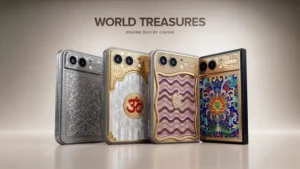
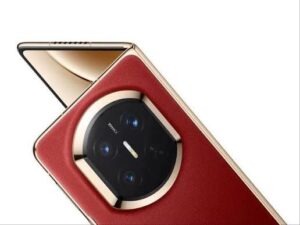
Despite the decline in the popularity of traditional foldable devices in favor of smartphones with large touch screens, this category has regained its presence in recent years with modern versions and flexible screens, in a serious effort to link the legacy of the past with the innovations of the present.