October 1, 2026

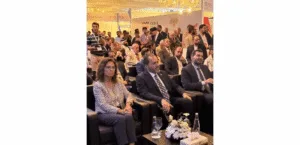
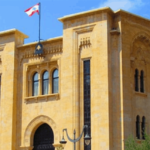
The Public Works, Transport, Energy and Water Committee held a session before noon today, headed by Representative Sajih Attiya, and in the presence of the committee’s rapporteur, Representative Muhammad Khawaja, along with Representatives: Ibrahim Mneimneh, Hussein Al-Hajj Hassan, Hussein Jishi, Salim Aoun, Taha Naji, Abdul Karim Kabbara, Jamil Abboud, Faisal Al-Sayegh, Fouad Makhzoumi, Adeeb Abdul Masih, Nabil Badr, Paula Yacoubian, Nazih Matta, Razi Al-Hajj, Ziad. Hawat, George Okais, Cesar Abi Khalil, Najat Aoun, Qasim Hashem, and Adnan Trabelsi.
The session was also attended by the Minister of Energy and Water, Joe Al-Saddi, the Director-General of Oil, Maurice Qarqafi, the Director-General of the Electricité du Liban, Kamal Hayek, the Director of Production at the Corporation, Fadi Bou Khozam, and members of the National Electricity Regulatory Authority, Surina Mortada and Daniel Juha, in addition to the Director of the Accounting Directorate in the Ministry of Finance, Abdel Hafeez Soubra, and the Head of the Financial and Legal Affairs Department in the Ministry of Interior and Municipalities, Major Zidane Yassin.
The committee devoted its session to listen to the Minister of Energy and Water. To view the electricity sector policy paper and discuss new sources of energy, in addition to examining the current reality of the sector and the Electricité du Liban.
The committee discussed its previous recommendations, which included removing infringements, addressing technical waste, activating the collection of accumulated bills, and paying the dues to state departments and institutions and the camps, as well as urging the Bank of Lebanon to transfer them to the bank account of the Electricité du Liban. The discussions also dealt with finding the necessary solutions for the production and distribution issues with the aim of securing electricity, increasing feeding hours across all Lebanese territories, and reducing the financial burdens on citizens.
The session included general discussions in which the attending representatives participated, where they presented their interventions and posed their questions to the Minister of Energy and representatives of the Regulatory Authority and the Electricité du Liban Corporation. Following that, the committee decided to follow up on the electricity file in subsequent sessions.