In the streets and alleys of Beirut, the voices of the vehicles and the smell of popular food that accompanied the diaries of people for decades are spread. These vehicles are not just a source of livelihood for their owners, but also part of the social scene that formed the city’s memory.
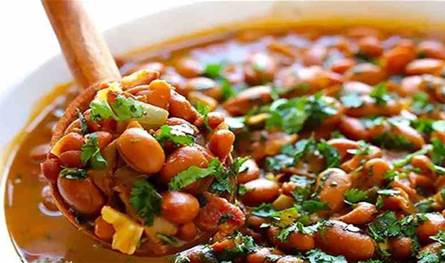
From the sweet carbulug to beans and lanes, the stories of men who devoted their lives intersect to work on these modest vehicles, to make for themselves a decent life and their families despite all the challenges. Sixty years ago, he went out daily to the roads, carrying his buckets full of carbag. This traditional dessert, made of carefully and prepared sweets, resembles ice cream in terms of shape but does not melt. At a price of fifty thousand pounds for one, Abu Ali offers a small piece of joy for a generation after generation. Abu Ali’s scene wandering Beirut to empty his buckets from the kraabiga became familiar, as if it was a daily weather that reminds people of their common memory and a flavor of time. Ali was not just a professional choice, but rather a promise to fulfill his father’s legacy. Today he stands in the same place, his vehicle is loaded with lanes, beans, carrots, beets, lupine and sour. He proudly talks about his father, who raised them from the sweat of his forehead, and provided them with a decent life during which they did not know the taste of the need. Thus, the presence of Ali on this site has not been merely a sale, but a continuation of a family story and a living memory that links it to the people and the place.
Even Abu Nusrat, his story also extends over more than 40 years, during which he moved his car between the western neighborhoods of Beirut: from Basta to Al -Nuwairi to the Berber. The sale of beans and lanes was not just a profession for him, but rather a way to teach his daughters and children, and provides them with a bright university future. He narrates that the fatigue of the years did not go to a dam, as he was able to provide a decent life for his family without reaching out to anyone. Their vehicles are not just wooden or metal vehicles on wheels, but rather life platforms that carried the weights of the years. It is a laboratory for human experiences, where sweat meets patience, and where simplicity turns into a means of living that preserves face water. Every pledge of allegiance to beans or karabij with a story of fatigue and satisfaction with it, and a lesson in how to face difficult conditions with dignity and persistence. At a time when lifestyles have changed and economic challenges have increased, these vehicles remain a witness to the value of simple and honorable work. Abu Ali Ali, Abu Nasr, and many others, embody the story of the people who turned the street into a livelihood. It is occupations that may not have the interface or the lights, but it narrates sincerely the story of a city that resisted hope, and the story of men who formulated their presence with the sweat of the forehead. The vehicles, no matter how small, remain dignity vehicles, walking on wheels, but carrying the heaviest in life: for a living.
The post Bean and carbags … struggle stories on the roads appeared first on 961 tobay Lebanon today.