US authorities expect global oil supply disruptions resulting from the war with Iran to continue at about 600,000 barrels per day until the end of 2027, in light of the severe restrictions and challenges facing shipping movement through the vital Strait of Hormuz.
According to the “Short-Term Energy Outlook” report issued by the US Energy Information Administration, the average quantities of oil passing through the Strait decreased to 4.9 million barrels per day in the second quarter of 2026, compared to 21.6 million barrels per day in the last quarter of 2025 before the attacks broke out.
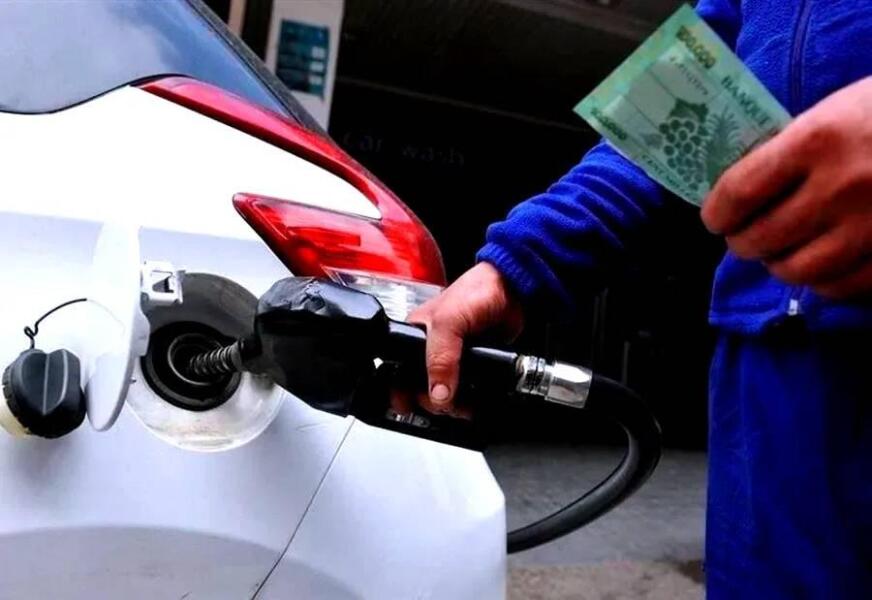
The data shows that the temporary period of calm and the signing of memorandums of understanding did not succeed in limiting the repercussions of the crisis, which is considered among the worst in the history of energy markets. The Energy Information Administration raised its 2026 gasoline and diesel price forecasts by 3.7% and 5.4%, respectively, and increased its 2027 retail gasoline price forecast by 6.5%.
The administration is likely to return the majority of production and trade flows to pre-war levels only by early 2027, provided that maritime threats do not expand to disrupt additional supplies through Bab al-Mandab.