“Lebanon Debate”
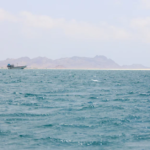
For more than two months, the diesel tanker “Basilis L” has been anchored off the shores of Tripoli, while losses to the Lebanese treasury are accumulating day after day, in a scene that once again reflects the chronic management crisis in the energy sector, and raises serious questions about the legal and financial responsibilities resulting from the delay in unloading the load.
The tanker, which arrived for oil facilities on March 28, 2026, is still waiting for the green light to unload, while numbers indicate that the cost of this waiting has exceeded acceptable limits, turning into one of the most controversial issues in the fuel file.
The case was reopened by Engineer Fawzi Mashlab via the “X” platform, revealing that the delay fines alone amount to about 18 thousand dollars per day, which is approximately 1.2 million dollars so far. But these fines remain a small part of the actual loss incurred by the state.
The tanker was loaded on March 26, when the price of a ton of diesel, according to the pricing mechanism approved in the contract, was approximately $1,389. Today, after the sharp decline in global prices, the price has fallen to around $1,009 per ton, which means a difference of approximately $380 per ton.
With a tonnage of about 33 thousand tons, the price difference alone amounts to approximately 12.5 million dollars, bringing the total loss with delay fines to about 13.5 million dollars, which is money that the treasury could have been spared from paying if the file had been dealt with according to proactive and responsible management.
The Ministry of Energy had justified the delay weeks ago by the lack of sufficient financing, noting that the repercussions of the war on Iran had led to the value of the shipment rising from about $24 million to more than $51 million, and that the tanker’s arrival date had been predetermined in the tender, which made it impossible to secure bank credit upon its arrival.
However, this justification conflicted with what was explicitly stated in the book of conditions, specifically Article Five, which gives the purchasing party the right to request postponement of the shipment’s arrival date. Thus, the Ministry had a clear legal tool that allowed it to delay delivery until the necessary funding was secured, which raises question marks about the reasons for not resorting to this option.
What is most interesting is that this right was previously used in other tenders, including the recent Fuel Oil tender, where the delivery of shipments was postponed or canceled as a result of lack of operational need or lack of storage capacity. This makes the talk about the impossibility of postponement subject to legal and administrative doubt.
In the background of the file, another hypothesis emerges, no less dangerous. As global oil prices began to decline during March, the market was heading towards a further decline, which may have encouraged the supplying company to load the tanker quickly and sell the shipment at the high price prevailing at that time, before prices declined significantly later.
But the most important question remains: Who bears responsibility?
The precedents are there. In 2023, the country faced a similar crisis after the Ministry of Finance refused to open a bank credit for a shipment. At that time, the losses were limited to delay fines, and the supplying company ended up bearing the cost after the tanker was withdrawn and the cargo was sold in other markets.
At that time, the head of the Public Procurement Authority, Dr. Jean Alaya, stressed that losses resulting from mismanagement should not be charged to the treasury, considering that not using the power to postpone delivery constitutes a personal mistake that imposes direct responsibility on the concerned authorities.
Today, the issue seems more complex, especially since the Public Procurement Law has become fully effective. Article 112 stipulates penalties of up to one to three years’ imprisonment, in addition to large financial fines against anyone who neglects supervision, violates the implementation of the terms of the contract, or overlooks violations that cause harm to public funds.
Thus, any official or employee who refrained from taking the measures that were supposed to be taken to avoid the tanker’s arrival before securing financing may find himself facing personal liability that is not limited to the administrative or political aspect, but extends to financial and criminal liability.
If negligence is proven, claims may not stop at $13.5 million, but may exceed $40 million between possible compensation, fines, and penalties, as permitted by the provisions of the law.
However, the damage is not limited to numbers. The continuation of this type of failure also harms Lebanon’s credibility vis-à-vis international companies, and prompts suppliers in the future to burden the state with additional costs or refrain from participating in tenders, which will directly reflect on prices, competition, and the quality of offers.
Between the option of looking for legal ways to annul the contract or suspend its implementation, and the option of holding those who caused the losses responsible, the issue appears to be at a critical juncture.
Will the diesel tanker anchored off Tripoli turn into an actual accountability file targeting negligent parties? Or do you join the series of files that are closed at the expense of public money?
The answer is no longer just technical or financial, but has become a real test of the state’s ability to protect the Lebanese people’s money and hold those responsible for waste accountable when the facts and numbers are so clear.