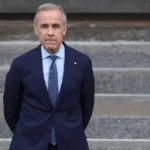
In a step aimed at breaking the stagnation affecting one of the most prominent economic facilities in the capital, the Minister of Economy, Amer Al-Bassat, reopened the file of the Mafraq fruit and vegetable market in Beirut, stressing the effort to activate it after years of disruption.
In a post on “X,” Al-Bassat indicated that the market issue “is still pending without a solution or operation,” which deprives Beirut, merchants, and farmers from benefiting from a vital facility that was supposed to regulate the sector and support economic movement.
He explained that a meeting was held with the Governor of Beirut, the Mayor, and a delegation of members of the Municipal Council, in addition to the Director-General of the Ministry and the Head of the Vegetable and Fruit Traders Syndicate in Mafraq, devoted to discussing ways to activate the market and put it in service.
He stressed that the primary goal is to create an organized and modern space for retail merchants and owners of small shops and stalls, allowing them to display their products within a developed and intended environment, and contributing to employing the labor force and moving the economic cycle.
This move comes in light of repeated demands from those concerned for the necessity of operating the built market, after it remained out of service despite its readiness, which led to continued chaos in random markets and deprived the capital of an advanced organizational structure for this sector.
The Mafraq fruit and vegetable market in Beirut is an essential project for organizing the agricultural and commercial sector in the capital, as it was supposed to provide a modern platform that brings together merchants and farmers and contributes to controlling prices and improving the quality of supply.
However, its operation was delayed for years, in light of administrative and financial crises, which led to worsening chaos in traditional markets, higher costs for consumers, and a decline in job opportunities in the sector.
With the intensification of the economic crisis in Lebanon, there has become an urgent need to activate such projects, because of their role in supporting local production, providing job opportunities, and improving working conditions for merchants, in addition to their positive impact on food security and social stability.