November 21, 2026

Tehran returns to the consultation table through Qatari mediation amid diplomatic impasse and escalating US sanctions
In light of the escalation of American pressure and the continuing impasse in the negotiation process between Washington and Tehran, Qatari mediation returned to the forefront through a diplomatic move represented by the visit of a Qatari delegation to the Iranian capital, on Friday evening, and holding consultations that lasted for two hours in an attempt to reopen the dialogue window, in conjunction with the continuation of the enriched uranium complex that obstructs any progress towards a possible agreement.
In this context, Iranian Deputy Foreign Minister for Legal and International Affairs, Kazem Gharibabadi, confirmed in statements to Iranian media, his country’s readiness to take corresponding measures as soon as the United States fulfills its obligations, most notably the lifting of the economic blockade – which he described as an “act of war” – and the release of frozen Iranian funds, in addition to stopping the war, which he considered the most important issue. He explained that verifying the lifting of the blockade could take place during the same day, while verifying access to the frozen funds requires a day or two, stressing that official negotiations with Washington have not yet begun, and that communication is currently limited to mediators, led by Qatar.
However, the nuclear file is still the most prominent obstacle. Gharibabadi renewed Tehran’s categorical refusal to export its stock of enriched uranium abroad under any circumstances, warning that this step would create difficulties in meeting the country’s needs. These data were consistent with what was revealed by a senior source familiar with communications, who stated that the indirect negotiations were at a standstill due to Washington’s insistence on developing a clear plan to get rid of uranium and obtaining written guarantees that enrichment would not resume in the future, in exchange for Iran’s adherence to refusing to take the enriched materials out of the country.
On the field and economic levels, the US Central Command (Centcom) announced, on Saturday, the continuation of the blockade imposed on Iran for the 130th day, stressing the continued prevention of the Revolutionary Guard from exporting oil with exceptional determination and professionalism. In a parallel escalation step, the US Treasury Department imposed new sanctions on Friday on four Iranians accused of collecting and managing oil revenues and facilitating circumvention of the blockade.
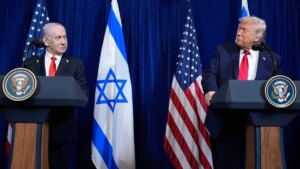
In the political context, these developments coincided with US President Donald Trump’s assertion that Iran wants to reach an agreement but rejects American conditions, reiterating Washington’s readiness to strike Iran again if necessary, and emphasizing not allowing it to possess a nuclear weapon. On the other hand, Iranian Foreign Minister Abbas Araqchi affirmed his country’s adherence to the diplomatic path to end the war, noting the continued exchange of messages with Washington through mediators.
Between intense Qatari consultations, strict American conditions, and Iranian refusal to give up its uranium stockpile, the diplomatic track remains dependent on mediation efforts, without contacts having succeeded so far in overcoming the fundamental differences that prevent the launch of actual negotiations.