November 20, 2026

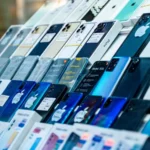
The global smartphone market is witnessing a structural shift with consumers increasing demand for used and refurbished devices, which offer advanced specifications at competitive prices compared to new versions, amid rising prices and a slowdown in the pace of innovation in some categories.
In this context, the research corporation “IDC” expected global shipments of used smartphones to grow by 3.2% during the year 2026, exceeding the growth of the new phone market, which does not exceed 1%.
For its part, Counterpoint Research data showed that global sales of refurbished phones increased by 3% during the same year, driven by significant growth in emerging markets, specifically in Africa, India and Southeast Asia.
Apple sits on the throne of the refurbished phone market, accounting for 56% of global sales, benefiting from iPhone devices maintaining their market value and continuing to receive software updates for long periods.
It is worth noting the difference between a refurbished and a used phone. The first undergoes careful inspection and testing, with the possibility of replacing some of its components before putting it back on sale, while the quality and guarantees of these devices vary depending on the entity issuing the refurbishment process.
This new landscape poses different challenges and opportunities for manufacturers. On the one hand, the need to upgrade phones frequently decreases and the need to provide security updates for longer periods emerges, and on the other hand, the secondary market opens promising horizons in the maintenance, resale and recycling sectors.
Although demand for new devices remains, the expansion of the secondary market reflects a radical shift in the priorities of consumers who have come to prefer considerations related to price and the lifespan of the device, which contributes to redrawing the features of competition in the smartphone industry sector.