November 19, 2026

The scope of high-level security meetings in Israel is expanding in light of escalating tensions with Iran, and growing fears that the caretaker government headed by Benjamin Netanyahu will resort to making sensitive military decisions in isolation from adequate parliamentary oversight. In this context, the head of the “Israel Our Home” party and the head of the Foreign Affairs and Security Committee in the Knesset, Avigdor Lieberman, joins the list of officials familiar with security developments, affected by escalating disagreements within the change camp regarding the formation of the next government.
According to a report prepared by journalist Moran Azoulay and published by the Israeli “Yedioth Ahronoth” website, Lieberman is scheduled to receive a security briefing, this Thursday evening, in his office from the Prime Minister’s Military Secretary, Major General Guy Marchesano, dealing with developments related to Iran and other security files. This comes based on an official request submitted by Lieberman based on his parliamentary capacity.
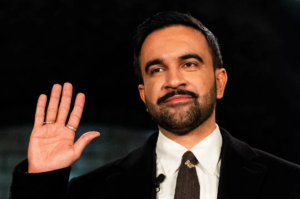
This step was preceded by a security meeting held by the head of the “Yashar!” party. Gadi Eisenkot, last week, with Netanyahu and his military secretary, requesting a briefing as the person charged with forming the next Israeli government, and in the absence of an opposition leader in the Knesset after the new members were sworn in. The head of the “Together” party, Naftali Bennett, also held a lengthy meeting with Netanyahu, which lasted about two and a half hours, on Wednesday.
The meeting between Bennett and Netanyahu caused confusion and resentment within the Change camp, because its partners were not informed in advance of the move, which some camp officials described as a “strategic attack.” On the other hand, readings of the motives behind the meeting ranged between Bennett’s desire to exhaust opportunities for forming a national unity government, and his effort to pave the way for new elections from a stronger political position, after he informed his allies of his preference for this option before moving on to alternative scenarios.
This approach contrasts sharply with the position of Lieberman, who confirmed in a meeting of his parliamentary bloc his categorical rejection of any negotiations with the Likud Party regarding a unity government, describing it as a “trap,” and stressing the need for Netanyahu to “leave the stage.”
These political developments coincide with security and judicial crises, most notably the issue of “incriminating information” coming from the Prime Minister’s Office, which led to the arrest of activists from the United Arab List “Ra’em” on the eve of the elections. Against this background, Lieberman announced his intention to summon the heads of the security services to special sessions regarding Iran.
Lieberman warned against the caretaker government’s attempt to drag Israel into a new war without parliamentary oversight and the full approval of all security services, stressing by saying: “The caretaker government has no right to make decisions that might drag Israel into war without parliamentary oversight.”
Lieberman’s position gains special weight from the fact that he chairs the Foreign Affairs and Security Committee, which is charged with monitoring intelligence, following up on security policy, approving government decisions and calling up the reserve. Despite his authority to access classified materials, the briefing conducted by Major General Marchesano is expected to provide a broader security assessment.
Thus, the Iranian file and military concerns overlap with the political conflict surrounding the powers of the caretaker government, at a time when the strategies of the poles of the change camp differ between Eisenkot’s efforts to form a government, Bennett’s maneuvers towards a unity government, and Lieberman’s categorical rejection of it, amid collective efforts to impose strict control over fateful decisions.