November 15, 2026

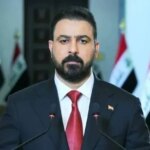
In a new political and security escalation that reflects the severity of the oil smuggling crisis in Iraq, Prime Minister Ali al-Zaidi hinted at the possibility of the Iraqi street resorting to confronting the smuggling networks themselves if the military establishment is unable to deter them, stressing that his government will not tolerate the continued bleeding of national wealth.
Al-Zaidi’s statements came on Sunday, while he received members of the investigative committee into the oil smuggling file, where he praised their courage and integrity in revealing the secrets of what he described as “the theft of the people’s livelihood.” The Prime Minister revealed that the authorities had received reports indicating the inability of some security forces to confront the smugglers, adding: “We confirmed that if the forces are unable, the people will come out to confront them.”
Al-Zaidi stressed that Iraq “suffered enough from these practices,” vowing to end the issue of smuggling and theft across the country’s geography, from Zakho in the north to Basra in the south. He also appreciated the judicial support for the government steps taken, considering the investigative committee’s report to be a turning point in the process of uncovering violations.
These statements gain additional momentum as they come against the backdrop of an expanded government investigation into suspicions of oil smuggling in the Jurf al-Sakhar area in Babil Governorate. This investigation resulted in the referral of those involved to justice and the dismissal of nine officials, including security leaders and officials in the oil sector.
On the other hand, the “Iraqi Hezbollah Brigades” announced its categorical rejection of the results of the government investigation, denying the existence of any violations of the oil pipelines in Jurf al-Sakhar. The group claimed that what the committee monitored was limited to fuel tanks and service facilities to secure the needs of military vehicles, calling for the region’s file to be neutralized and kept away from political disputes.
This sharp discrepancy puts the Iraqi government before a fateful test that tests its ability to impose the state’s prestige, pursue oil smuggling networks, and hold those involved accountable, amid fears of a widening political and security dispute between government agencies and the factions present in the region.