November 15, 2026

The Strait of Hormuz has returned to the forefront of international maritime tension, following the renewed targeting of oil tankers, and the receipt of official reports of attacks and fires in this strategic waterway, which raises concerns about the security of global trade and energy supplies, in light of the continuing crisis between Iran and the United States and the faltering diplomatic efforts aimed at containing it.
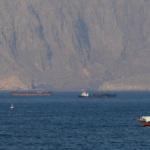
In this context, the British Maritime Trade Operations Authority (UKMTO) announced on Sunday that it had received a report from the Indian maritime authorities stating that an oil tanker had been attacked while sailing eastward in the Arabian Gulf, before arriving in the Strait of Hormuz, confirming the safety of all its crew members. The authority explained that the extent of the damage to the ship or the potential environmental impact is not yet clear, calling on those passing through the area to exercise the utmost caution and report any suspicious activities.
In a related development, the Iranian Revolutionary Guard announced that fires broke out in two tankers inside the strait as a result of their collision with a sea mine, without revealing the identity of the two ships, their nationalities, or the nature of their cargo, in addition to the absence of confirmed information about the extent of the damage or the occurrence of injuries, at a time when it is impossible to verify the Iranian story from an independent source.
Official Iranian media had previously reported that three oil tankers were involved in separate accidents in the strait after they collided with sea mines and caught fire. The first incident occurred in the eastern sector in the morning, followed by two other tankers being targeted later.
These field developments come in conjunction with restrictions imposed by Tehran on navigation in the Strait of Hormuz, and its targeting of ships it accuses of violating these restrictions, as part of its efforts to impose its control over the waterway and use it as a political pressure card against Washington.
Data from the Washington Institute for Near East Policy indicate an escalation in these attacks, as at least 10 ships were targeted during the first ten days of November, compared to 37 attacks recorded during the month of October, which witnessed the highest monthly toll since the outbreak of the war in late February.
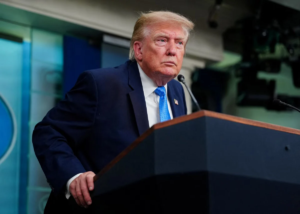
On the political level, diplomatic efforts to resume negotiations between Tehran and Washington faltered, specifically the Qatari-brokered contacts, coinciding with US President Donald Trump’s assertion that he did not need to conclude a new agreement with Iran. On the other hand, Tehran adheres to seven conditions for returning to the table, most notably stopping the war on all fronts, lifting US sanctions and the naval blockade imposed on its ports, as well as releasing its funds frozen abroad.