November 15, 2026

Iran has renewed its sharp attack on the International Atomic Energy Agency, accusing it of losing its independence and subjecting its reports to the influence of the United States and European countries, while ruling out the return of agency inspectors to its nuclear facilities at the current stage amid continuing disagreements over oversight and cooperation mechanisms.
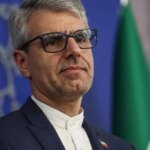
In a press conference held on Sunday, Iranian Foreign Ministry spokesman Ismail Baghaei confirmed that American and European influence had caused severe damage to the agency’s technical and international credibility, considering that its reports on the Iranian nuclear program were influenced by the political orientations of some of its officials and were biased.
Baqai criticized the leaking of the agency’s reports to Western media before their official publication date, and described this as a “structural and deliberate flaw” in the institution’s management that requires a firm response.
The Iranian spokesman held the agency and the G7 responsible for the repercussions of the inspectors not returning, stressing that any request in this regard must take into account the circumstances arising from the American and Israeli military attacks, which led to the disruption of the agency’s access to the facilities. Baqai wondered whether the agency was seeking to consolidate its independence as a technical body or continue working under Western influence, stressing that the return of inspectors was not practically on the table for several reasons.
Regarding the negotiating track, Baghaei accused Washington of emptying diplomacy of its content, calling on the international community to deal with the relevant American statements with caution. He stressed that Tehran relies on “actions, not people,” hinting that the decision to launch new strikes against Iran is being taken in Tel Aviv.
These positions come as an extension of the statements of the Speaker of the Iranian Shura Council, Muhammad Baqir Qalibaf, who confirmed that the door to an agreement with the United States remains available provided that it accepts the seven Iranian conditions.
These developments reveal the widening gap between Tehran and Washington regarding the future of the nuclear program and international inspection mechanisms, in conjunction with the faltering of diplomatic efforts, at a time when the administration of US President Donald Trump is betting on a policy of economic pressure as a more effective option at the current stage compared to the military option.