November 13, 2026

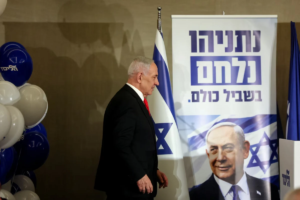
Israeli media reports revealed a striking discrepancy in assessment of the situation regarding the need to launch a military attack against Iran. While the Israeli army was reported to have said that there was no urgent need for unilateral action at the current stage, indicators have emerged confirming the desire of caretaker Prime Minister Benjamin Netanyahu to keep the military option on the table.
According to a report prepared by Stav Levaton and the editorial board of “The Times of Israel” based on Channels 12 and 13, these differences became clear during a security meeting between Netanyahu and the head of the Yashar Party in charge of forming the new government, Gadi Eisenkot, in the presence of Netanyahu’s military secretary, Major General Guy Marchesano. The two channels presented two conflicting narratives. Channel 12 quoted an informed source that informing Eisenkot of the full intelligence picture might change his position and make him understand Netanyahu’s continued motives for pushing for the resumption of the war, while Channel 13 reported that the military position does not see developments that require immediate action, indicating that the estimate is limited to participation if US President Donald Trump decides to resume the strikes.
Amid these developments, the Israeli presidency denied what Channel 13 reported about the role played by President Isaac Herzog in arranging the meeting. This atmosphere comes in light of political tension following the loss of the Netanyahu camp’s parliamentary majority, the assignment of Eisenkot to form the government, and Netanyahu retaining his governmental and security powers as head of the caretaker government.
Eisenkot had called on the government’s judicial advisor, Gali Beharav Meara, to intervene after Netanyahu refused to provide him with a security briefing, warning against taking non-urgent military steps in the transitional phase that might destroy Israeli democracy and create a dangerous constitutional dispute, alluding to Netanyahu’s Iranian tendencies, which his critics see as politically motivated, noting that previous reports indicated a prior security objection to striking Iran before the elections for fear of disrupting them or a widespread escalation.
On the external level, the Israeli Broadcasting Authority “Kan” quoted an American source as saying that the US Central Command had informed the Israeli army and Gulf countries of the need to prepare for the possibility of renewed confrontation with Iran, in parallel with statements by Trump that reduced the chances of a return to war and at the same time confirmed not to adhere to an agreement with Tehran.
These developments, which have continued since the outbreak of the confrontation in late February and the accompanying disturbances in the Strait of Hormuz and an American naval blockade, reflect the transition of the Israeli debate from simply assessing the Iranian threat to a deeper debate about the timing of military action, the limits of the independent initiative, and the extent of the connection to the American strategy amid the political transition crisis.