November 11, 2026

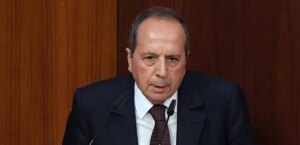
Questions about the performance of the Chairman of the General Authority of Civil Aviation, Muhammad Aziz, on the eve of Qlayaat Airport dues
At a very important time that coincides with the preparations for the launch of test flights from Qlayaat Airport scheduled for November 22nd, and regular commercial flights next December 14th, the absence of the head of the General Authority of Civil Aviation, Muhammad Aziz, from exercising his duties for about twenty days is evident, raising major question marks about the management of this vital file.
This absence is not the first of its kind since Aziz officially assumed his duties on February 4, 2026. Data indicate that he repeatedly traveled under the pretext of participating in foreign conferences. While some of these trips took place pursuant to administrative memos, there was no written assignment to the person in charge of managing business in other cases, as happened during his travel to Canada last February for a period ranging between two and three weeks, where his duties were assigned verbally to an official without official administrative support. Aziz is currently in Canada to participate in a conference, coinciding with the ongoing preparations for Qlayaat Airport, which re-highlights the extent of his commitment to his responsibilities and the role of the regulatory authorities concerned with holding him accountable.
Criticisms are not limited to absence only, but also extend to administrative performance. Information indicates that Aziz did not fulfill, during about nine months of assuming his duties, any of the basic duties assigned to him under Civil Aviation Administration Law No. 481/2002. On the other hand, the authority was preoccupied with operational files outside the core scope of its tasks, coinciding with the escalation of disputes within its board of directors, leading to some members threatening to resign, as a result of differences in approach to core files related to civil aviation safety.
On the internal level, the Authority failed to organize its relationship with the employees of the General Directorate of Civil Aviation who continue to assume operational tasks, which sparked objections among their ranks regarding the way the affairs of Beirut Airport are managed, and they have become echoed in various departments, raising serious concerns about the regularity of work and the safety of operation. The Authority is also accused of not completing its staff despite what the law imposes.
Regarding the file of salaries and compensation, the figures received raise broad questions in light of the difficult economic conditions that the country is going through. The head of the authority receives about eight thousand dollars a month, and the salary of each member is about seven thousand dollars, in stark comparison with the salaries of general managers in major public administrations, which do not exceed two thousand dollars, which opens the debate about the extent to which these financial privileges are proportional to the actual commitment to responsibilities.
The Civil Aviation Administration requires strict adherence to safety and air navigation standards and international standards that are linked to Lebanon’s reputation, considering that public service is a responsibility and not a privilege, amid an urgent need to impose standards of transparency and accountability. The current situation calls for an official clarification of the reasons for absence and its duration, the approvals associated with it, mechanisms to ensure work continuity, and the approved basis for determining salaries and compensation, as well as a comprehensive evaluation of the authority’s performance and holding it accountable when necessary.