November 10, 2026

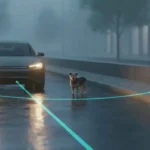
Self-driving car technologies face complex engineering challenges when driving in harsh climatic conditions, especially during heavy rain and fog formation, which leads to a decline in the accuracy of sensors in monitoring the road and surrounding obstacles.
These vehicles rely on an integrated technical system that includes cameras, radars, and LiDAR sensors to collect and analyze environmental data and make immediate driving decisions. However, the efficiency of these systems is directly affected by weather factors, which raises fundamental questions about their readiness for safe operation in various environments.
In technical details, heavy rain obscures the vision of cameras and negatively affects the quality of captured images, while fog scatters the laser beams of lidar sensors, limiting their ability to measure distances and monitor objects with extreme accuracy. On the other hand, radars show greater flexibility in operating under difficult weather conditions, but they cannot provide the same level of visual detail that cameras and lidar offer.
In their tireless efforts to overcome these obstacles, companies developing autonomous driving systems are intensifying their efforts to integrate data received from various sensors, as well as developing advanced software algorithms capable of adapting to declining visibility, and identifying situations that require reducing speed or implementing a safe stop.
The ability of autonomous vehicles to deal with weather fluctuations remains the real test and the most prominent test for their wide commercial deployment, especially since proving their efficiency in ideal conditions does not necessarily reflect their ability to face all potential challenges on public roads.